
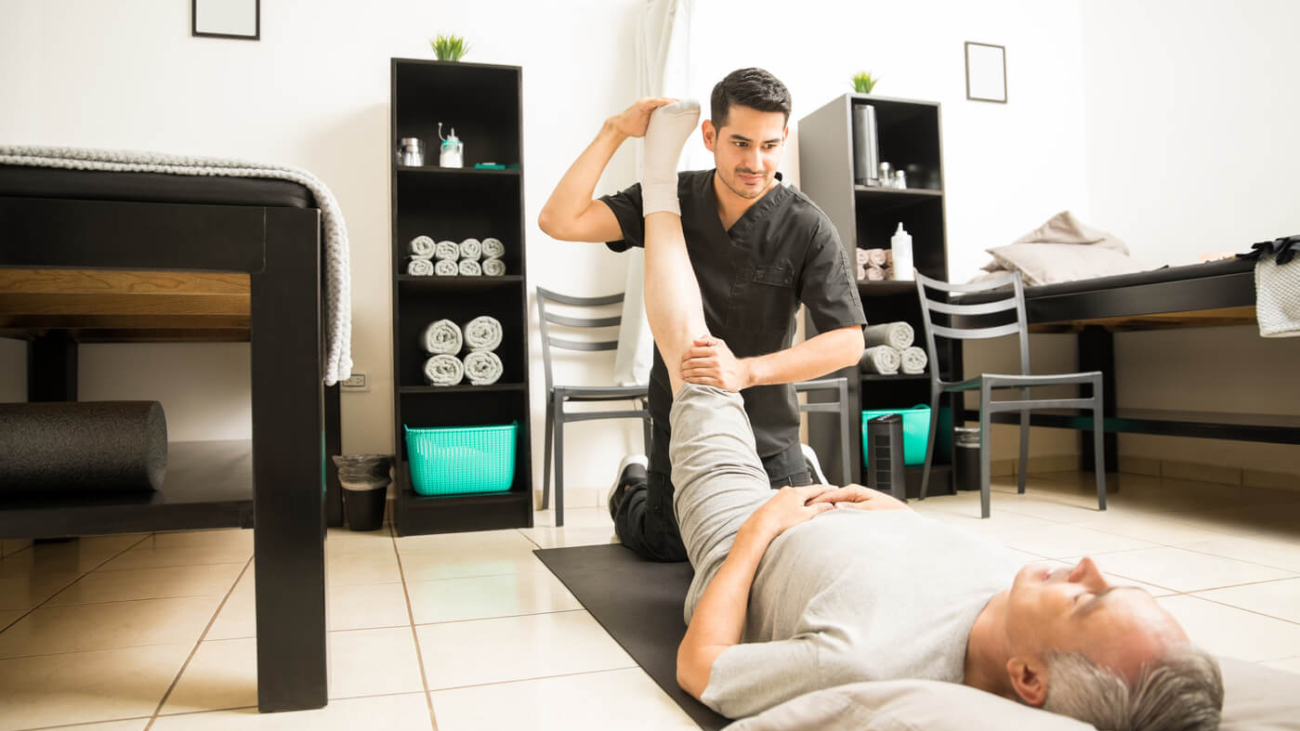
Sports injuries can affect more than athletic performance alone. What may begin as mild soreness, stiffness, or muscle strain can gradually interfere with walking, working, exercising, sleeping, and other everyday activities. Many individuals try to push through discomfort, assuming the pain will improve on its own, but untreated injuries and physical stress may continue affecting mobility and overall comfort over time.
At Principled Living Tonal Chiropractic, care focuses on supporting spinal balance, mobility, and nervous system function through gentle neurologically focused chiropractic techniques. Chiropractic care may help individuals experiencing physical tension, reduced movement, and discomfort connected to sports-related injuries and repetitive strain.
Understanding Sports-Related Injuries
Sports injuries can occur during exercise, training, recreational activities, or physically demanding routines. Some injuries happen suddenly after impact or overexertion, while others develop gradually through repetitive movements and ongoing stress placed on muscles and joints.
Common sports-related injuries may affect the:
- Neck and shoulders
- Lower back and spine
- Knees and hips
- Muscles, tendons, and joints
- Upper and lower body mobility
Even mild injuries may eventually affect flexibility, posture, balance, and movement quality if physical stress continues without proper recovery.
Signs a Sports Injury May Be Affecting Daily Life
Many individuals continue normal routines despite ongoing discomfort. However, certain symptoms may indicate that an injury is beginning to interfere with overall function and mobility.
Common Signs Include:
- Pain or stiffness during everyday movement
- Reduced flexibility or limited range of motion
- Muscle tightness that continues after activity
- Difficulty sitting, standing, or walking comfortably
- Ongoing tension in the neck, back, or joints
- Discomfort that affects sleep or physical activity
- Recurring pain during exercise or repetitive movement
Ignoring these symptoms may sometimes allow physical stress and mobility issues to worsen over time.
How Sports Injuries Can Affect the Body Over Time
When the body experiences ongoing strain or repetitive stress, muscles and joints may begin compensating in unhealthy ways. This compensation can place additional pressure on surrounding areas of the body and contribute to:
Reduced Mobility and Flexibility
Tight muscles and restricted joint movement may make daily tasks feel more physically demanding over time.
Poor Posture and Body Imbalance
Pain and limited movement often cause the body to shift posture patterns unnaturally, which may increase spinal stress and muscle tension.
Ongoing Muscle Tightness
Sports injuries may create lingering tension throughout the body, especially around the neck, shoulders, hips, and lower back.
Increased Physical Fatigue
When movement becomes uncomfortable, the body may use more energy to complete simple tasks, contributing to fatigue and physical discomfort.
How Chiropractic Treatment May Help
Chiropractic treatment focuses on supporting spinal alignment, mobility, posture, and overall physical function after sports-related injuries or repetitive strain. Physical stress caused by intense activity, overuse, or muscle imbalance may affect how comfortably the body moves during daily routines. Over time, this tension can contribute to stiffness, reduced flexibility, muscle tightness, and ongoing discomfort that interferes with normal movement.
Gentle chiropractic techniques are often used to help improve joint mobility, reduce physical tension, and support nervous system function. By addressing stress affecting the spine and surrounding muscles, chiropractic care may help individuals move more comfortably while supporting recovery, posture, flexibility, and overall daily comfort.
Supporting Better Spinal Alignment
Sports injuries may place uneven pressure on the spine and surrounding muscles. Chiropractic adjustments are often used to support spinal balance and healthier movement patterns throughout the body.
Helping Improve Mobility and Flexibility
Limited range of motion is common after physical strain or repetitive stress injuries. Gentle chiropractic care may help improve joint movement and flexibility while reducing stiffness affecting daily activities.
Reducing Muscle Tension and Physical Stress
Tight muscles surrounding injured areas may contribute to ongoing discomfort and restricted movement. Chiropractic techniques may help reduce tension and support more comfortable physical function.
Supporting Recovery Through Nervous System Function
The nervous system helps coordinate movement, balance, posture, and muscle function. Neurologically focused chiropractic care aims to support communication between the spine and nervous system while helping the body respond more efficiently to physical stress.
Daily Habits That May Support Recovery
Lifestyle habits often play an important role in how the body heals and recovers from physical stress.
Helpful Daily Habits Include:
- Stretching regularly and staying active
- Avoiding overuse and repetitive strain
- Improving posture during daily activities
- Taking movement breaks throughout the day
- Staying hydrated and supporting muscle recovery
- Getting enough rest and recovery time
Small routine changes may help reduce additional stress placed on the body during recovery.
When It May Be Time to Seek Chiropractic Care
Persistent discomfort, stiffness, reduced mobility, or recurring pain after physical activity should not always be ignored. If sports-related injuries continue affecting movement, sleep, work, or daily comfort, professional chiropractic evaluation may help identify underlying physical stress patterns.
Seeking care early may help support mobility, posture, flexibility, and overall physical comfort before symptoms become more difficult to manage.
FAQs
Can old sports injuries continue causing discomfort years later?
Yes, untreated or poorly healed sports injuries may sometimes contribute to ongoing stiffness, reduced mobility, muscle imbalance, or recurring discomfort over time.
Are overuse injuries common in recreational activities?
Yes, repetitive movements during activities like running, cycling, weight training, or tennis may place ongoing stress on muscles and joints, increasing the risk of overuse injuries.
Can sports injuries affect posture?
Pain and limited movement caused by injuries may lead the body to compensate with unhealthy posture habits, which can place additional stress on the spine and muscles.
Does warming up before exercise help reduce injury risk?
Proper warm-ups and stretching may help prepare muscles and joints for physical activity, potentially reducing strain and improving flexibility during movement.
How long should soreness last after physical activity?
Mild soreness after exercise can be normal, but pain, stiffness, or discomfort that continues for several days or interferes with daily movement may need professional evaluation.
Supporting Long-Term Movement and Daily Comfort
Sports injuries may gradually affect more than athletic performance alone. Repetitive strain, muscle tension, posture changes, and limited mobility can eventually interfere with overall physical comfort and everyday movement. Gentle chiropractic care may help support recovery, movement quality, spinal balance, and nervous system function while encouraging healthier physical habits over time.
Support recovery and daily mobility with gentle chiropractic care from Principled Living Tonal Chiropractic.