
How Shock Wave Therapy is Revolutionizing Pain Management: Find the Shock Wave Therapy Near Me
Living with chronic pain can be a daily battle. When traditional methods like ice packs, physical therapy, or even cortisone injections fail to provide lasting relief, it’s easy to feel frustrated. You might even consider surgery, but the risks, long recovery, and uncertain outcomes can be daunting.
If you’re looking for an alternative that addresses the root cause of your pain instead of just masking the symptoms, there’s a cutting-edge solution: Extracorporeal Shock Wave Therapy (ESWT).
Commonly known as Shock Wave Therapy, this non-invasive treatment accelerates your body’s natural healing process. While it’s not magic, the results can feel like it. This guide will explain how this technology works, the conditions it treats, and how to find shock wave therapy near me who can help you reclaim your life.
Unlocking the Power of Acoustic Waves
To understand why Shock Wave Therapy is effective, we first need to look at how the body heals. When you get injured, your body sends blood and repair cells to the area. However, in cases of chronic pain—like old sports injuries or repetitive strain—the body often stops recognizing the area as “injured.” The healing process stalls, leaving you with scar tissue and inflammation that won’t go away.
Shock Wave Therapy restarts that stalled engine. It utilizes a device that delivers high-energy acoustic waves (sound waves) through the skin to the affected area. These are not electrical shocks; they are mechanical pressure pulses that ripple through the tissue.
The Biological Response
When these waves hit damaged tissue, they create “micro-trauma.” While that sounds counterintuitive, it is exactly what your body needs. This microscopic stimulation tricks your brain into thinking a new injury has occurred. In response, your body drastically increases blood circulation and metabolism in the treated area.
This process stimulates a biological mechanism called neovascularization, which is the formation of new blood vessels. Better blood flow means more oxygen and nutrients reach the damaged tissue. Simultaneously, the acoustic waves help break down calcifications (calcium build-up) and scar tissue that limit mobility. The result is a jump-started healing cycle that repairs tissue from the inside out.

Why Patients Are Choosing Shock Wave Therapy
The primary appeal of Shock Wave Therapy lies in its ability to bridge the gap between conservative treatment (like rest and ice) and invasive procedures (like surgery).
It Is Non-Invasive and Drug-Free
There are no incisions, no needles, and no anesthesia required. For individuals who want to avoid the risks associated with surgery or the potential dependency on painkillers, this is a significant advantage. The treatment relies entirely on the body’s natural ability to repair itself, merely providing the stimulus needed to get the job done.
Zero Downtime
Surgery often requires weeks or months of recovery. Even strong injections can leave you sore or immobilized for a few days. With Shock Wave Therapy, you walk in and walk out. Most sessions last between 15 to 20 minutes. You can have a treatment on your lunch break and go right back to work. While you might be advised to avoid high-impact activity for 24 hours, your daily life remains largely uninterrupted.
Rapid Pain Reduction
Many patients report immediate pain relief after just one session. This immediate effect is often due to the therapy’s ability to overstimulate nerve endings, which temporarily reduces pain transmission—a concept known as “Gate Control Theory.” Long-term healing occurs over the course of several weeks as the tissue regenerates.
Conditions That Respond Best to Treatment
Shock Wave Therapy is versatile, but it shines brightest when treating musculoskeletal conditions involving connective tissues like tendons and ligaments. Here are the most common conditions that respond favorably to this technology.
Plantar Fasciitis
This is perhaps the most common application for Shock Wave Therapy. Plantar fasciitis causes stabbing pain in the heel, usually worst with the first steps in the morning. The therapy helps break down the thickened tissue of the plantar fascia and stimulates blood flow to the heel, offering relief where traditional stretching often fails.
Achilles Tendinopathy
The Achilles tendon is the thickest tendon in the body and takes a beating during walking and running. Chronic inflammation here can be debilitating. Shock waves help stimulate collagen production, which is essential for repairing the tendon fibers and restoring flexibility.
Tennis and Golfer’s Elbow
Lateral epicondylitis (Tennis Elbow) and medial epicondylitis (Golfer’s Elbow) are classic repetitive strain injuries. They result in pain on the outside or inside of the elbow, respectively. Shock Wave Therapy targets the tendon insertion points, reducing inflammation and promoting the healing of micro-tears in the tendon.
Calcific Tendonitis of the Shoulder
This condition involves the formation of small calcium deposits within the tendons of the rotator cuff, causing severe pain and restricted movement. The high-energy acoustic waves are particularly effective at mechanically breaking up these calcium deposits, which the body can then reabsorb.
Shin Splints
Medial Tibial Stress Syndrome, or shin splints, plagues many runners. It involves inflammation of the muscles, tendons, and bone tissue around the tibia. Shock Wave Therapy can help treat the soft tissue inflammation and stimulate bone remodeling, allowing athletes to return to their sport faster.
Jumper’s Knee (Patellar Tendonitis)
Common in athletes who jump on hard surfaces, this injury affects the tendon connecting the kneecap to the shinbone. Shock Wave Therapy reduces pain and stimulates the repair of the tendon, improving knee function and stability.
How to Find the Best Clinic Near You
Not all Shock Wave Therapy is created equal, and neither are the clinics that provide it. Because this technology has gained popularity, many providers are rushing to offer it. However, the success of your treatment depends heavily on the quality of the equipment and the skill of the practitioner.
Look for Qualified Practitioners
You want a provider who understands the musculoskeletal system deeply—such as a chiropractor, physiotherapist, or sports medicine doctor. They should be able to diagnose your issue correctly before applying the therapy. Placing the device on the wrong spot won’t hurt you, but it won’t help you either.
Ask About the Technology
There are different types of shock wave devices (focused vs. radial). A reputable clinic will be transparent about the technology they use and why it is appropriate for your specific condition. Do not hesitate to ask if their equipment is FDA-cleared and modern.
Holistic Assessment
Avoid clinics that treat you like a number. The best providers will perform a comprehensive evaluation. They will look at how you move, your posture, and your medical history. Shock Wave Therapy is a tool, not a cure-all; it works best when part of a broader treatment plan that addresses why the injury happened in the first place.
Spotlight: Principled Living Tonal Chiropractic
If you are looking for a provider that meets these high standards, Principled Living Tonal Chiropractic stands out as a leader in the field. Their approach to health goes beyond simple symptom relief; they focus on the structural and neurological integrity of the body.
At Principled Living Tonal Chiropractic, the philosophy is rooted in the understanding that the body is a self-healing organism. Their goal is to remove interference from the nervous system so the body can function at 100%. By integrating Shock Wave Therapy into their service offerings, they provide a powerful catalyst for healing stubborn soft tissue injuries.
Their Shock Wave Therapy Service
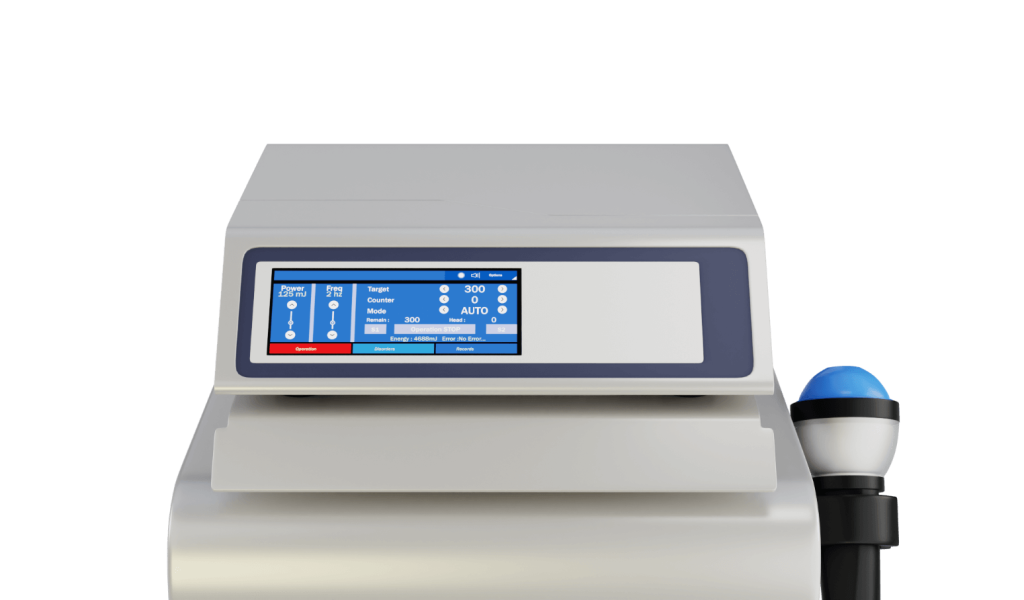
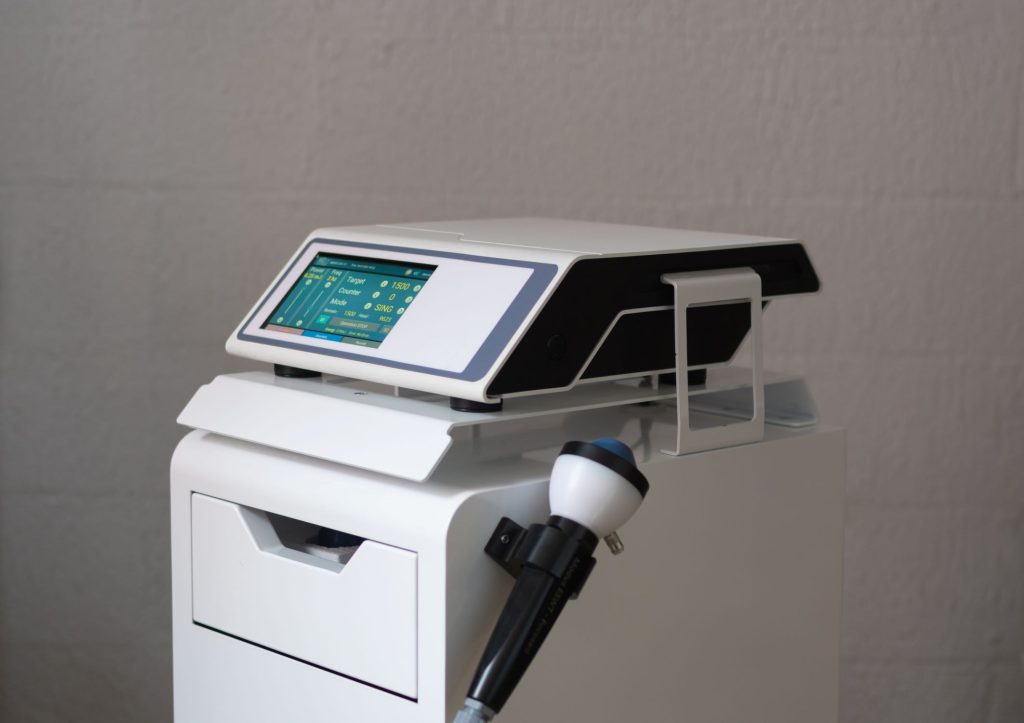
Principled Living Tonal Chiropractic utilizes state-of-the-art Shock Wave technology designed to tackle deep-seated musculoskeletal issues. Whether you are dealing with a nagging sports injury or chronic joint pain that hasn’t responded to other adjustments, their targeted Shock Wave Therapy service is tailored to your specific needs.
They do not view this therapy as a standalone “quick fix.” Instead, they combine it with their expert tonal chiropractic care. This ensures that while the shock waves repair the tissue, the chiropractic adjustments correct the structural misalignments that may have caused the issue to begin with. It is a comprehensive strategy designed for long-term wellness.
What to Expect During Your First Session
If you have decided to give Shock Wave Therapy a try, it helps to know what happens in the treatment room. Anxiety often comes from the unknown, so let’s walk through the process.
The Consultation
Your first visit will always begin with an examination. The practitioner will palpate the area to locate the exact source of the pain. They may mark the area to ensure precision.
The Setup
You will sit or lie comfortably on a treatment table. The practitioner applies a coupling gel to the skin over the injured area. This gel is crucial—it helps the acoustic waves travel from the device into your body without losing energy (similar to ultrasound gel).
The Treatment
The practitioner places the handheld device against your skin. As the machine is activated, you will hear a loud “clacking” sound. This is the sound of the compressed air creating the pressure wave.
The sensation is often described as a rapid tapping or pulsing. It can be uncomfortable, but it should not be excruciating. Practitioners usually start at a lower intensity and gradually increase it based on your tolerance. This is often referred to as “good pain”—a feeling that the treatment is hitting the right spot. A typical session lasts about 5 to 10 minutes per area, delivering between 2,000 and 3,000 pulses.
Post-Treatment
After the session, the gel is wiped off, and you are good to go. You might notice immediate pain relief (the analgesic effect), or the area might feel slightly sore or throbbing, like a mild bruise. This is normal and indicates that the healing response has been triggered.
Combining Therapies for Maximum Results
While Shock Wave Therapy is powerful, it is rarely used in isolation. The most successful pain management strategies combine modalities to tackle the problem from all angles.
Chiropractic Care and Shock Wave
This is a potent combination. Chiropractic adjustments ensure proper alignment of the spine and joints, improving nervous system function. When the structure is aligned, the soft tissues (treated by shock wave) heal correctly without being pulled or strained by poor posture.
Physical Therapy and Exercise
Once the pain has subsided and tissue repair has begun, strengthening the area is vital. Physical therapy exercises help rebuild the muscle and tendon strength needed to support the joint and prevent re-injury. Shock wave prepares the tissue for this strengthening phase.
Nutrition and Hydration
Tissue repair requires building blocks. Staying hydrated and eating a diet rich in anti-inflammatory foods can enhance the body’s response to Shock Wave Therapy.
A Future Without Chronic Pain
Chronic pain can make you feel like your life is shrinking, limiting where you go and what you do. But medical technology has advanced, and you no longer have to accept pain as your baseline. Shock Wave Therapy offers a scientifically backed, highly effective path to recovery that fits into a busy lifestyle without the risks of surgery.
Whether you are an elite athlete trying to get back in the game or a grandparent wanting to keep up with your grandkids, this therapy offers hope. By choosing a reputable provider like Principled Living Tonal Chiropractic, you are choosing a partner in health who understands how to unlock your body’s potential to heal.
Don’t let pain dictate your schedule any longer. Explore the possibilities of Shock Wave Therapy and take the first step toward a pain-free, active life.
Principled Living Tonal Chiropractic
https://maps.app.goo.gl/v2KwTmYfNhyBaVmG7
9405 36th Ave N, New Hope, MN 55427
(763) 296-8375
https://principledlivingmn.com