
pain relieve new hope minnesota non invasive

Common causes of ADHD and how chiropractic care helps focus and attention

Attention-Deficit/Hyperactivity Disorder (ADHD) is a neurodevelopmental condition that affects focus, impulse control, and activity levels. It often begins in childhood and can continue into adulthood, impacting learning, behavior, work performance, and daily life. While the exact cause of ADHD is not fully understood, research suggests that it is influenced by a combination of genetic, neurological, and environmental factors.

At Principled Living Tonal Chiropractic, we focus on supporting overall nervous system function through gentle, research-based chiropractic care. While chiropractic care does not treat or cure ADHD, it may help support better body regulation, stress response, and overall neurological balance.

What Is ADHD?

ADHD is a condition where the brain has difficulty regulating attention, focus, and impulse control. This can lead to symptoms such as trouble concentrating, hyperactivity, restlessness, and difficulty completing tasks. It is not caused by poor parenting or lack of discipline. Instead, it is related to how the brain and nervous system process information and respond to stimulation.

Define Chiropractic: Chiropractic care is a natural, non-invasive treatment focused on the spine and nervous system. It uses gentle adjustments to improve alignment and support the body’s natural healing.

Common Causes and Contributing Factors of ADHD

ADHD does not have a single cause. Instead, it is influenced by a combination of genetic, neurological, developmental, and environmental factors that affect how the brain and nervous system regulate attention, behavior, and impulses.

1. Genetics (Family History)

ADHD is strongly linked to genetics and often runs in families. If a parent or close relative has ADHD, the chances of a child developing it may be higher. This does not guarantee ADHD, but it increases susceptibility due to inherited brain function patterns.

How chiropractic care may help: May support nervous system balance and improve the body’s ability to adapt to stress, promoting overall regulation.

2. Brain Structure and Function Differences

Research shows that individuals with ADHD may have differences in certain brain regions responsible for attention, planning, and impulse control. These areas may develop or function differently, affecting focus and behavior regulation.

How chiropractic care may help: By supporting proper spinal alignment and nervous system communication, chiropractic care may help improve overall brain-body coordination.

3. Neurotransmitter Imbalance

Neurotransmitters like dopamine and norepinephrine play a key role in motivation, attention, and emotional regulation. In ADHD, these chemicals may not function in an optimal balance, making it harder to stay focused or controlled.

How chiropractic care may help: Helps reduce nervous system stress, which may support better overall neurological balance and function.

4. Prenatal Influences (Before Birth)

Certain conditions during pregnancy, such as high stress, smoking, alcohol use, poor nutrition, or exposure to toxins, may increase the risk of ADHD in children. These factors can affect early brain and nervous system development.

How chiropractic care may help: Supports overall nervous system regulation and may help improve stress response in growing children.

5. Early Childhood Stress

High levels of stress during early childhood can affect emotional development and nervous system regulation. This may contribute to difficulty with attention, behavior control, and emotional responses later in life.

How chiropractic care may help: Gentle care may help calm the nervous system and support better stress adaptation.

6. Environmental Factors (Toxins & Exposure)

Exposure to harmful substances like lead, pollutants, or long-term environmental stress may impact brain development and functioning. These factors can interfere with normal neurological growth.
How chiropractic care may help: Supports the body’s natural ability to adapt and regulate stress through improved nervous system function.

7. Sleep Problems

Children and adults with ADHD often experience poor sleep quality or irregular sleep patterns. Lack of proper rest can worsen attention, behavior, and emotional control.

How chiropractic care may help: May improve relaxation, spinal alignment, and nervous system balance, supporting better sleep quality.

8. Nutritional Imbalances

Poor diet or deficiencies in essential nutrients (like omega-3, iron, or zinc) may affect brain performance and focus levels. Nutrition plays an important role in cognitive development and energy regulation.

How chiropractic care may help: Supports overall body balance and may encourage a healthier lifestyle and wellness habits.

9. Chronic Stress Exposure

Long-term stress can overstimulate the nervous system, making it harder to stay calm, focused, and organized. This constant “fight or flight” state can worsen ADHD symptoms.

How chiropractic care may help: Helps reduce physical tension and may support a more balanced stress response.

10. Sedentary Lifestyle (Low Physical Activity)

Lack of regular movement can affect brain function, energy levels, and focus. Physical activity is important for healthy neurological development and attention regulation.

How chiropractic care may help: Improves spinal mobility and supports better nervous system function, encouraging a more active and balanced lifestyle.

Important Note:

Chiropractic care is not a cure for ADHD and should not replace medical, psychological, or behavioral treatment. It works best as a complementary approach alongside appropriate care plans designed by healthcare professionals.

Is Chiropractic Care Safe?

Yes, chiropractic care is generally safe when performed by trained and qualified professionals. It uses gentle, controlled techniques that are designed to support the spine and nervous system without surgery or medication.

However, care is always tailored to each individual’s condition, age, and health needs. A proper assessment is done first to ensure the treatment approach is safe and appropriate.

Supporting Better Focus Naturally

While professional treatment is essential, lifestyle habits can also support focus and attention:

  • Consistent sleep routine
  • Balanced nutrition
  • Regular physical activity
  • Reduced screen time
  • Structured daily schedule 

FAQs:

  1. Can chiropractic care help with ADHD symptoms?

Chiropractic care does not treat ADHD, but it may support nervous system balance, which can help improve relaxation and overall regulation.

  1. Is chiropractic care safe for children with ADHD?

Yes, it is generally safe when performed by trained professionals using gentle, age-appropriate techniques.

  1. How does the nervous system affect focus and attention?

The nervous system controls brain-body communication, which plays a key role in attention, behavior, and emotional regulation.

  1. How soon can results be noticed?

Results vary for each person. Some may feel calmer or more relaxed after a few sessions, while others may take longer.

  1. Should chiropractic care replace ADHD medication or therapy?

No, chiropractic care should not replace medical or psychological treatment. It can only be used as a supportive approach.

Natural Support for Better Health

ADHD is a complex condition influenced by multiple biological and environmental factors. While chiropractic care does not treat ADHD, it may support nervous system function, reduce physical stress, and contribute to better overall balance and well-being. The focus is on providing gentle, supportive care that helps individuals and families function at their best naturally.


Book your appointment today at Principled Living Tonal Chiropractic and take a step toward better balance and overall well-being.

chronic-cough

How Chiropractic Care May Support Anxiety, Depression, and Addiction Naturally

Mental and emotional health challenges like anxiety, depression, and addiction are becoming increasingly common in today’s fast-paced and high-stress world. These conditions are not only linked to thoughts and emotions but are also deeply connected to how the nervous system functions and how the body responds to stress over time.

At Principled Living Tonal Chiropractic in New Hope, Minnesota, we focus on a gentle, neurologically-based approach that supports the body’s natural ability to regulate stress, restore balance, and improve overall well-being without cracking or forceful adjustments.

Explained Anxiety & Depression

  • Anxiety is a condition where a person feels constant worry, fear, or overthinking that can affect daily life.
  • Depression is a mental health condition that causes low mood, loss of interest, low energy, and emotional sadness.

Connection Between Anxiety & Depression

Both anxiety and depression are closely linked to the nervous system and how the body handles stress. When the nervous system is overloaded or stuck in a constant stress state, it becomes harder for the body to relax, think clearly, and maintain emotional balance. This can lead to ongoing worry, fatigue, poor sleep, and emotional instability.

Supporting nervous system function through gentle, holistic care can help the body shift toward a calmer and more balanced state over time, improving overall well-being naturally.

Understanding the Mind-Body Connection

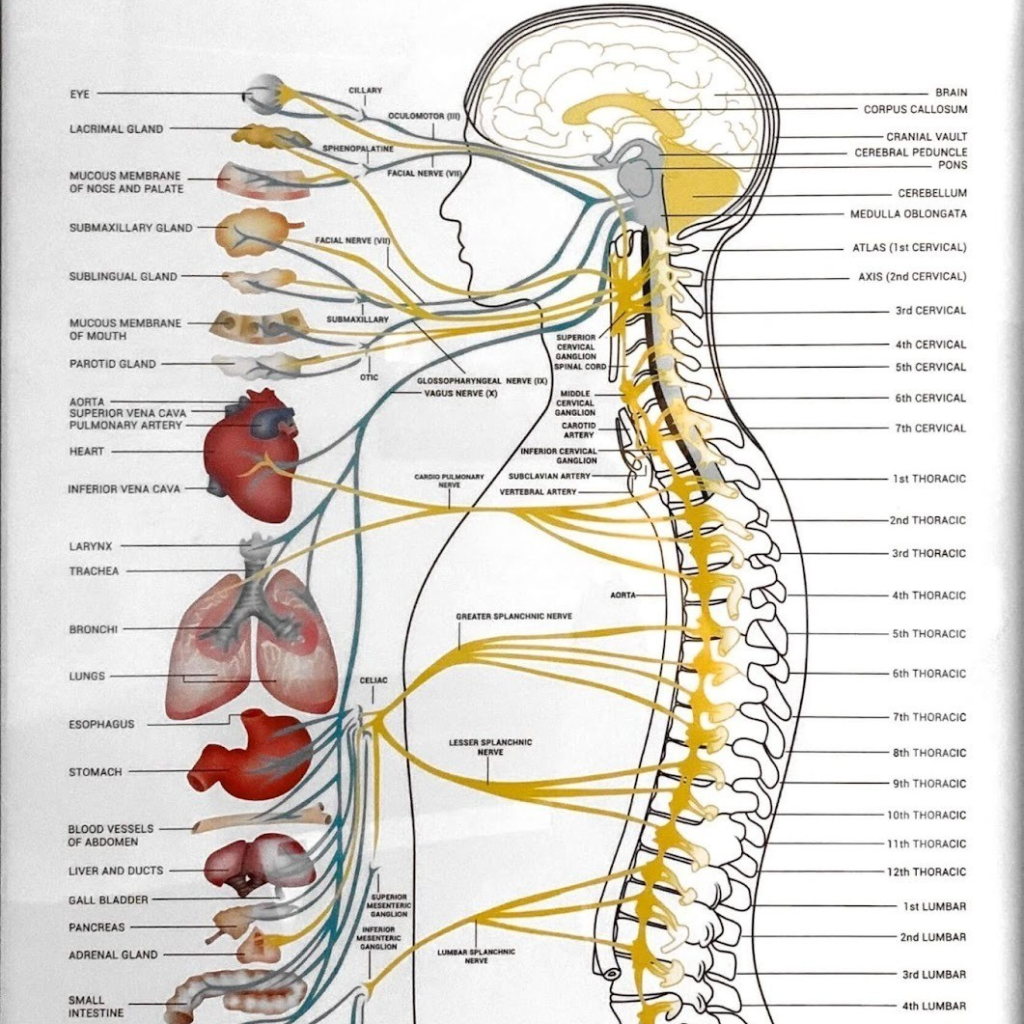
Your brain and spinal cord form the central nervous system, which controls every function in your body, including mood, stress response, sleep, and emotional regulation. When the nervous system becomes overloaded or dysregulated due to physical stress, emotional trauma, or long-term tension, it can affect how a person feels mentally and emotionally.

As a result, some people may experience:

  • Persistent anxiety or worry
  • Low mood or depression
  • Difficulty coping with stress
  • Emotional fatigue or overwhelm
  • Unhealthy coping behaviors, including addiction patterns

Because of this strong connection, supporting nervous system health can play an important role in overall mental wellness.

How Tonal Chiropractic Care Supports Mental Well-Being

Tonal chiropractic care is a gentle, non-invasive approach that focuses on evaluating and improving the function of the nervous system rather than only addressing physical symptoms. The goal is to help the body shift from a “stressed state” into a more balanced and regulated state.

1. Helps Regulate the Stress Response

When the nervous system is under constant stress, the body can remain in a “fight-or-flight” mode. This makes it harder to relax, focus, and feel emotionally stable.

Tonal chiropractic care helps support nervous system balance, which may improve the body’s ability to handle stress more effectively and naturally.

2. Supports Better Emotional Balance

The nervous system plays a key role in emotional regulation. When it functions more efficiently, individuals may experience improved mood stability and reduced emotional overwhelm.

This can be especially helpful for people dealing with anxiety or depression-related symptoms.

3. Encourages Natural Healing and Self-Regulation

Rather than forcing change, tonal chiropractic care focuses on improving communication between the brain and body. This helps the body activate its natural ability to heal, adapt, and self-regulate. 

As a result, many individuals report feeling calmer, more grounded, and more in control over time.

4. Reduces Physical Tension Linked to Mental Stress

Mental stress often shows up physically as tight muscles, headaches, fatigue, or poor sleep. These physical symptoms can further worsen emotional health.

Gentle chiropractic adjustments may help reduce this built-up tension, allowing the body to feel more relaxed and balanced.

5. Supports Recovery from Addictive Patterns

Addiction is often connected to nervous system dysregulation and stress overload. While chiropractic care is not an addiction treatment, supporting nervous system function may help individuals build better resilience, emotional stability, and stress response capacity.

This can support a healthier foundation alongside professional addiction recovery programs.

Why Nervous System Health Matters

When the nervous system is functioning properly, the body is better able to:

  • Adapt to stress
  • Maintain emotional balance
  • Improve sleep quality
  • Support mental clarity
  • Regulate energy and mood

This is why many people are now focusing on nervous system-based care as part of their overall wellness journey.

Is Chiropractic Care a Replacement for Mental Health Treatment?

No. Chiropractic care is not a replacement for psychological or medical treatment for conditions like anxiety, depression, or addiction. These conditions need proper care from qualified mental health professionals because they involve emotional, behavioral, and chemical changes in the brain.

However, chiropractic care can be used as a supportive approach. It helps improve nervous system function and reduce physical stress in the body, which may support relaxation, better sleep, and overall well-being when used alongside proper mental health treatment.

A Gentle Path Toward Better Balance

We provide gentle, research-based care designed to support the nervous system without cracking or forceful manipulation. Our approach focuses on working with the body in a calm and non-invasive way to encourage natural balance and improved function.

Our focus is on helping individuals and families in New Hope, Minnesota, improve stress response, emotional balance, and overall quality of life. By supporting nervous system health, we aim to help the body adapt better to daily physical and emotional stress.

FAQs:

  1. Can chiropractic care help with anxiety and stress?

Chiropractic care may help reduce physical tension in the body and support nervous system balance, which can contribute to a calmer stress response.

  1. Does chiropractic care treat depression or addiction?

No, chiropractic care does not treat or cure depression or addiction, but it can be a supportive therapy alongside professional mental health treatment.

  1. How does the nervous system relate to emotional health?

The nervous system controls how the body responds to stress. When it functions better, people may feel more relaxed, balanced, and emotionally stable.

  1. Is tonal chiropractic safe for people with mental health concerns?

Yes, tonal chiropractic is generally gentle and non-invasive, but it should be used as a complementary approach, not a replacement for medical care.

  1. How soon can results be noticed?

Results vary from person to person. Some may notice reduced tension and better relaxation after a few sessions, while others may take longer, depending on their condition.

Supporting Your Mental Wellness Journey

Anxiety, depression, and addiction are complex conditions influenced by both emotional and physical factors. Supporting the nervous system through gentle, tonal chiropractic care may help the body become more balanced, resilient, and better equipped to handle stress naturally.

Over time, this can contribute to improved emotional stability, reduced tension, and a better quality of life at Principled Living Tonal Chiropractic.

image

Top Causes of Sciatica Pain and How to Fix It

Sciatica pain is a common condition that affects millions of people worldwide. It typically causes sharp, shooting pain, tingling, or numbness that starts in the lower back and radiates down one or both legs. This discomfort can make everyday activities, such as sitting, walking, or standing, challenging and reduce your overall quality of life. Understanding the root causes of sciatica is key to finding long-term relief and preventing further complications.

At Principled Living with Dr. Rinehart, we focus on identifying the underlying issues that lead to sciatic nerve irritation. By combining expert chiropractic care, gentle therapies, and personalized treatment plans, we help patients relieve pain, restore mobility, and support natural healing without relying solely on medications or invasive procedures.

Define Sciatica Pain

Sciatica pain is discomfort that originates from the sciatic nerve, the longest nerve in the body, which runs from the lower back down through the hips, buttocks, and legs. When this nerve becomes irritated or compressed, it can cause sharp pain, tingling, numbness, or weakness along its path.

Unlike general back pain, sciatica usually affects one side of the body and can make daily activities like walking, sitting, or standing uncomfortable. Common causes include herniated discs, spinal stenosis, or muscle tightness that puts pressure on the sciatic nerve. Understanding the source of sciatica is essential for choosing the right treatment and achieving long-term relief.

Types of Sciatica

Sciatica can be categorized into two main types, though the symptoms often feel very similar, including pain, tingling, numbness, or weakness in the lower back, hips, and legs.

  • 1. True Sciatica: This type occurs when an injury or medical condition directly affects the sciatic nerve itself. The pain usually follows the exact path of the nerve, radiating from the lower back down through the leg.
  • 2. Sciatica-Like Conditions: These conditions produce symptoms similar to sciatica but originate from nearby nerves or the group of nerves that form the sciatic nerve. The root cause is not the sciatic nerve itself but related nerve structures.

Healthcare providers often use the term “sciatica” for both types. Understanding the difference is important, especially when determining the most effective treatment plan.

What Causes Sciatica Pain and How to Fix It

Sciatica is a symptom, not a condition itself. It occurs when the sciatic nerve is irritated or compressed. Understanding the root cause is essential for effective relief. Here are the common causes along with ways to address each:

1. Herniated or Bulging Disc

A disc in your spine can bulge or rupture, pressing against the sciatic nerve. This often leads to sharp, shooting pain down the leg.

How to Fix It: Gentle chiropractic adjustments, physical therapy, and targeted core exercises relieve nerve pressure, improve spinal alignment, and support natural healing.

2. Spinal Stenosis

Narrowing of the spinal canal compresses nerves, causing leg pain, tingling, or weakness, especially while walking or standing.

How to Fix It: Non-invasive therapies like StemWave Therapy, posture correction, and stretching reduce nerve compression and improve mobility.

3. Piriformis Syndrome

The piriformis muscle in the buttocks can spasm or tighten, irritating the sciatic nerve. Pain often worsens after long sitting periods.

How to Fix It: Stretching exercises, ergonomic adjustments, and gentle chiropractic care release muscle tension and relieve nerve irritation.

4. Degenerative Disc Disease

As discs lose cushioning with age, nerves may become compressed, leading to chronic pain in the lower back and legs.

How to Fix It: Chiropractic care, low-impact exercise, and non-invasive therapies improve alignment, support disc health, and reduce pain.

5. Spondylolisthesis

One vertebra slips over another, narrowing the space where nerves exit, compressing the sciatic nerve.

How to Fix It: Gentle spinal adjustments, strengthening exercises, and lifestyle changes like proper lifting techniques help restore alignment and reduce nerve stress.

6. Muscle Imbalances

Weak or tight muscles, especially in the core, hips, and lower back, can strain the spine and irritate the sciatic nerve.

How to Fix It: Strengthening exercises, posture training, and physical therapy help balance muscles, relieve pressure on the nerve, and prevent flare-ups.

7. Trauma or Injury

Accidents, falls, or sports injuries can misalign the spine or irritate the sciatic nerve directly.

How to Fix It: Early evaluation, gentle chiropractic care, and rehabilitation exercises support recovery, reduce pain, and restore mobility.

8. Prolonged Sitting or Poor Posture

Sitting for long periods or slouching can compress the sciatic nerve and trigger symptoms over time.

How to Fix It: Ergonomic adjustments, regular movement breaks, stretching, and posture-focused chiropractic care help relieve pressure and prevent recurring pain.

9. Obesity or Excess Weight

Extra weight can place strain on the lower back and pelvis, compressing nerves and contributing to sciatica.

How to Fix It: Weight management, core strengthening, and chiropractic alignment reduce spinal pressure and relieve symptoms naturally.

10. Pregnancy

The growing uterus can shift the pelvis and compress the sciatic nerve, causing temporary sciatica symptoms.

How to Fix It: Prenatal stretches, posture support, and gentle chiropractic care can ease nerve pressure safely during pregnancy.

When to See a Doctor

You should seek professional care if:

  • Pain lasts more than a few weeks
  • Pain radiates down the leg or causes numbness
  • You experience weakness in the leg or foot
  • Sciatica affects your daily activities or sleep

Early intervention can prevent chronic pain and improve long-term mobility.

How to Stop Sciatica from Coming Back

Even if your sciatica improves, there’s a chance it can return. Taking preventive steps can help reduce the risk of recurrence and keep your lower back and legs healthy.

Do:

  • Stay active by exercising regularly to strengthen your core, hips, and back muscles.
  • Use safe techniques when lifting heavy objects to avoid straining your spine.
  • Maintain good posture while sitting, standing, or walking to reduce nerve pressure.
  • Sit correctly at your computer, keeping your back supported and feet flat on the floor.
  • Manage your weight if you are overweight to reduce stress on your spine and sciatic nerve.

Don’t:

  • Smoke, as it can impair blood flow and increase the risk of disc degeneration and sciatica recurrence.

Following these simple lifestyle and posture habits can significantly reduce your chances of sciatic pain coming back and support long-term spinal health.

FAQs

1. What is the main cause of sciatica pain?

Sciatica usually occurs when the sciatic nerve is compressed or irritated, often due to herniated discs, spinal stenosis, or muscle imbalances.

2. Can sciatica be treated without surgery?

Yes, gentle chiropractic care, StemWave Therapy, physical therapy, and targeted exercises can relieve pain naturally without invasive procedures.

3. How long does it take to feel relief from sciatica?

Many patients notice improvement within a few sessions of chiropractic care or therapy, though full recovery depends on the cause and consistency of treatment.

4. Can sciatica come back after treatment?

Yes, sciatica can recur if underlying issues aren’t addressed, poor posture continues, or lifestyle factors like inactivity and excess weight persist.

5. When should I see a doctor for sciatica?

Seek professional care if pain lasts more than a few weeks, causes leg weakness, numbness, or interferes with daily activities or sleep.

Take the Next Step

Sciatica pain doesn’t have to control your life. Identifying the root cause and using gentle, effective treatments like chiropractic care, targeted exercises, or StemWave Therapy can relieve pain, restore function, and improve your quality of life.

Book your consultation with Principled Living with Dr. Rinehart today and start your journey to sciatic pain relief.

ChatGPT Image Mar 30, 2026, 10_38_52 AM (1)

How Torque Release Technique Helps Relieve Pain Without Force

Pain can limit your daily activities, reduce mobility, and affect your overall well-being. While traditional chiropractic adjustments often involve twisting or cracking, the Torque Release Technique (TRT) provides a gentle, precise method to relieve pain naturally, using minimal force and focusing on spinal and nervous system alignment.


At Principled Living with Dr. Rinehart, the Torque Release Technique is used to safely correct misalignments and restore proper nervous system function. By targeting the root cause of discomfort rather than just masking symptoms, TRT helps the body heal naturally, improving posture, mobility, and overall health.

What is the Torque Release Technique?

The Torque Release Technique is a modern chiropractic method that focuses on restoring spinal and nervous system function using minimal force. Instead of twisting or cracking the spine, TRT uses a specialized instrument to deliver precise impulses to misaligned areas.

  • Non-invasive and gentle
  • Instrument-assisted adjustments
  • Focuses on the nervous system and spinal alignment
  • Safe for all ages

How Torque Release Technique Works

Torque Release Technique (TRT) is designed to relieve pain and restore spinal function without using force. It works by identifying and correcting subluxations, or small misalignments in the spine.

1. Assessment: Detecting Misalignments

The chiropractor begins by carefully examining the spine to detect subluxations. This may include neurological tests, posture analysis, and sometimes imaging to pinpoint areas of interference.

2. Precision Adjustment: Gentle, Targeted Impulses

Once misalignments are identified, the TRT instrument delivers specific, low-force impulses to the targeted vertebra.

3. Nervous System Support

Correcting spinal misalignments restores proper communication between the brain and body, helping muscles and joints function properly.

4. Healing and Pain Relief

By reducing nerve interference, TRT allows the body to heal naturally, improving mobility and reducing pain.

Why TRT Is Different

Unlike traditional chiropractic adjustments, TRT does not rely on forceful manipulation. This makes it ideal for sensitive patients or those uncomfortable with cracking sounds.

Common Conditions TRT Can Help With

  • Chronic back or neck pain
  • Headaches and migraines
  • Muscle tension or spasms
  • Sciatica and nerve-related pain
  • Postural issues and joint dysfunction

What to Expect During a TRT Session

TRT sessions are typically quick, lasting around 10–20 minutes. The chiropractor uses a specialized instrument to deliver gentle adjustments without twisting or cracking.

Many patients notice improvements in pain, mobility, and energy within a few sessions.

Benefits of Torque Release Technique

  • Gentle and Safe: Suitable for all ages
  • Precise Corrections: Accurate spinal alignment
  • Reduces Pain Naturally
  • Non-Invasive: No drugs or surgery
  • Improves Overall Function

Who Can Benefit from TRT

  • Individuals with chronic or recurring pain
  • People recovering from injuries
  • Patients with nerve-related discomfort
  • Anyone seeking gentle chiropractic care

FAQs

1. What is Torque Release Technique (TRT)?

TRT is a gentle, instrument-assisted chiropractic method that realigns the spine and supports nervous system function.

2. How does TRT relieve pain without force?

It delivers precise, low-force impulses to misaligned vertebrae, restoring alignment and reducing nerve interference.

3. Who can benefit from TRT?

Anyone with chronic pain, nerve discomfort, or those seeking non-invasive care.

4. Is TRT safe?

Yes, it is safe, gentle, and suitable for all ages.

5. How many sessions are needed?

Most patients see improvement within a few sessions depending on their condition.

Take the Next Step Toward Gentle Pain Relief

Torque Release Technique offers a safe and precise way to restore spinal alignment and relieve pain naturally. It improves nervous system function and supports long-term wellness.

Book your appointment today with Principled Living with Dr. Rinehart and experience gentle pain relief.

ChatGPT-Image-Mar-28-2026-05_34_28-PM-1.webp

Common Conditions StemWave Therapy Can Help With (and When You Need It)

StemWave Therapy is a gentle, non-invasive treatment designed to help your body heal naturally. It uses precise electromagnetic pulses to stimulate your nervous system and support overall wellness. This therapy can improve circulation, reduce pain, and enhance recovery from injuries without drugs or surgery.

Many people wonder whether StemWave Therapy at Principled Living with Dr. Rinehart is right for them. The answer usually depends on your symptoms, pain type, or mobility issues. Here’s a closer look at the common conditions it can help with and when you should consider it.

Define StemWave Therapy

StemWave Therapy is a gentle, non-invasive treatment designed to help the body heal naturally by stimulating the nervous system. It is commonly used to reduce chronic pain, improve circulation, support recovery from injuries, and enhance overall wellness without drugs or surgery.

How It Works

StemWave Therapy uses precise electromagnetic pulses to target nerves, muscles, and tissues. These pulses help:

  • Stimulate the nervous system to improve communication between the brain and body
  • Enhance blood flow and circulation to injured or stressed areas
  • Promote natural tissue repair and reduce inflammation

By focusing on the root cause of pain or dysfunction, StemWave Therapy supports long-term healing and helps your body function at its best.

Common Conditions StemWave Therapy Can Help With

StemWave Therapy is designed to help the body heal naturally by targeting the root cause of pain and dysfunction. It supports the nervous system, improves circulation, and enhances recovery without drugs or surgery.

1. Chronic Back or Neck Pain

Back and neck pain is one of the most common complaints today. Sitting for long hours, poor posture, or old injuries can make the pain persistent.

When to consider StemWave: If pain lasts more than a few weeks and doesn’t respond to rest or standard treatments, StemWave Therapy can target the root cause and support healing.

2. Joint Pain and Arthritis

Arthritis, knee pain, or joint stiffness can make everyday activities challenging. StemWave Therapy helps improve blood flow and reduce inflammation in joints, promoting comfort and mobility.

When to consider StemWave: If you notice stiffness in your joints, difficulty moving, or recurring inflammation, this therapy may help reduce discomfort naturally.

3. Muscle Strain or Sports Injuries

Athletes and active people often experience muscle strains, sprains, or soft tissue injuries. StemWave Therapy accelerates tissue repair and reduces pain by stimulating nerve and blood flow.

When to consider StemWave: If recovery is slow after an injury or exercise-related strain, this therapy can help speed up healing safely.

4. Nerve-Related Pain

Sciatica, tingling, or numbness in the arms or legs often signals nerve compression. StemWave Therapy targets the nervous system to reduce irritation and improve function.

When to consider StemWave: If nerve pain is persistent, recurring, or affecting daily life, early intervention can prevent further complications.

5. Chronic Fatigue or Low Energy

When your body is overworked or stressed, fatigue can affect daily activities and overall wellness. StemWave Therapy can support nervous system function and improve energy levels naturally.

When to consider StemWave: If you feel constantly tired, low on energy, or mentally drained despite proper rest, this therapy may help restore balance.

6. Post-Injury Recovery

After an accident or surgery, tissues and nerves may need extra support to heal fully. StemWave Therapy improves blood circulation, reduces inflammation, and promotes tissue repair.

When to consider StemWave: If recovery feels slow or you experience lingering discomfort, this therapy can complement your rehabilitation program.

7. Headaches and Migraines

Frequent headaches or migraines can be caused by tension, nerve irritation, or poor blood flow. StemWave Therapy helps reduce nerve stress and improve circulation to relieve pain naturally.

When to consider StemWave: If headaches are recurring and affecting your quality of life, StemWave Therapy may provide relief without medications.

8. Plantar Fasciitis and Foot Pain

Foot pain or plantar fasciitis can make walking and standing painful. StemWave Therapy stimulates blood flow and helps reduce inflammation in the affected tissues.

When to consider StemWave: If you experience persistent foot pain, heel pain, or discomfort while walking, this therapy can speed recovery and reduce chronic discomfort.

Benefits of StemWave Therapy

StemWave Therapy offers multiple benefits by addressing the root cause of pain and supporting natural healing:

  • Reduces Pain Naturally: Targets nerve and tissue issues to relieve chronic pain without medications.
  • Improves Mobility: Helps restore range of motion in joints and muscles.
  • Speeds Recovery: Accelerates healing for injuries, post-surgery recovery, and sports strains.
  • Supports Nervous System: Enhances communication between the brain and body for better overall function.
  • Non-Invasive and Safe: No drugs, surgery, or downtime required—suitable for most ages.
  • Long-Term Wellness: Focuses on root causes, preventing recurring pain, and supporting sustained health.

What to Expect During Treatment

Quick, Comfortable Sessions

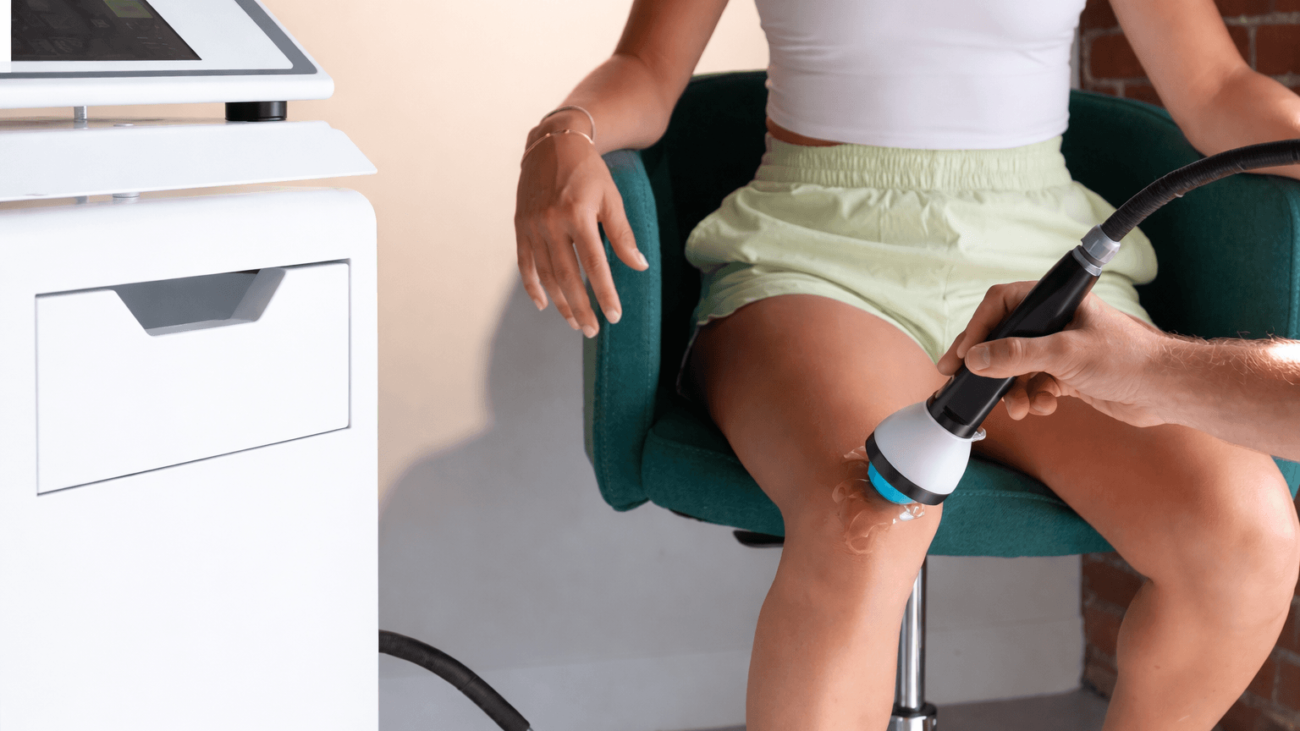
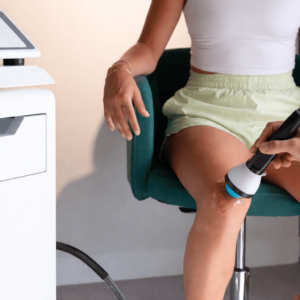
Each StemWave session lasts about 10–15 minutes. A small layer of gel is applied to the skin, and the device delivers gentle, focused waves directly to the affected area to stimulate healing.

No Downtime Needed

StemWave Therapy is non-invasive and requires no anesthesia or numbing creams. You can immediately return to work, exercise, or daily activities after your session.

Progress You Can Feel

Most treatment plans include 8–12 sessions. Many patients notice relief within a few visits, with continued improvement and long-lasting results as the body heals naturally.

Is StemWave Therapy Worth Trying Before Injections or Surgery?

Many people consider injections or surgery when pain becomes chronic or mobility is limited. However, StemWave Therapy offers a non-invasive alternative that targets the root cause of pain and supports natural healing.

Trying StemWave Therapy first can help reduce pain, improve function, and sometimes even eliminate the need for more invasive treatments. It is safe, drug-free, and has no downtime, making it an excellent first step before considering injections or surgery.

Take the Next Step Toward Natural Healing

StemWave Therapy provides a safe, non-invasive way to relieve pain, improve mobility, and support your body’s natural healing process. Whether you struggle with chronic pain, post-injury recovery, joint stiffness, or nerve-related discomfort, early intervention can make a real difference. By targeting the root cause, this therapy helps restore balance, improve nervous system function, and prevent long-term problems.

Book your appointment with Principled Living today and start your journey to better health.

FAQs

1. What is StemWave Therapy?

StemWave Therapy is a gentle, non-invasive treatment that uses electromagnetic pulses to stimulate the nervous system and promote natural healing.

2. How does StemWave Therapy work?

It delivers precise pulses to nerves, muscles, and tissues, improving circulation, reducing inflammation, and supporting tissue repair.

3. Who can benefit from StemWave Therapy?

People with chronic pain, joint issues, muscle strains, nerve discomfort, post-injury recovery needs, or low energy can benefit from this therapy.

4. Is StemWave Therapy safe?

Yes. It is non-invasive, requires no drugs or surgery, has no downtime, and is suitable for most ages.

5. How many sessions will I need?

Most treatment plans include 8–12 sessions, and many patients notice relief after just a few visits, with continued improvement over time.

undefined

Don’t Ignore These Warning Signs: Your Body Needs Tonal Chiropractic Care

Your body sends signals before problems get serious. However, many people ignore these early warning signs. At first, you may feel small aches, stress, or low energy. Then, these issues grow into chronic pain, poor sleep, and daily discomfort. Therefore, you should listen to your body early and take action before the condition worsens.


At Principled Living Tonal Chiropractic, the goal is simple: help your body heal naturally. Instead of focusing only on symptoms, this care works on your nervous system. As a result, your body regains balance, improves function, and starts healing without forceful treatments.

What Is Tonal Chiropractic Care?

Tonal chiropractic care is a gentle and precise method. It focuses on the nervous system, which controls every function in your body. Instead of cracking or twisting, it uses light adjustments to restore balance. Because of this, your brain and body communicate better. As a result, healing becomes faster and more natural.

Persistent Pain Isn’t Just a “Bad Day”

Not all aches are the same. Some are temporary, while others signal a deeper problem that needs attention.

1. The Difference Between Acute and Chronic Pain

Acute Pain: Sudden, sharp pain that lasts a few days or weeks, usually from an injury like a pulled muscle. It often goes away as your body heals.

Chronic Pain: Pain that lasts for weeks, months, or longer. Persistent back, neck, or joint pain can indicate structural or nervous system issues. Ignoring it may lead to worsening discomfort or long-term problems.

2. Why Ignoring Pain Makes It Worse

Pushing through pain can cause your body to compensate, leading to muscle imbalances, joint strain, and further injury. Even minor aches can turn into chronic problems if left untreated. Early chiropractic care helps restore balance and prevent long-term issues.

Warning Signs Your Body Needs Tonal Chiropractic Care

Your body often gives subtle signals before serious problems develop. Paying attention to these signs early can help prevent chronic pain and improve overall nervous system function.

1. Persistent Back or Neck Pain

Back and neck pain often starts as small aches or stiffness. Over time, poor posture, long hours at a desk, or repetitive movements can make this pain constant. This persistent discomfort shows that your spine and nervous system may need realignment.

This care helps reduce pain by targeting the root cause, rather than just masking symptoms with temporary relief.

2. Frequent Headaches or Migraines

Headaches happen occasionally for many people, but frequent or severe migraines are not normal. They are often caused by tension in the neck and upper spine, which affects blood flow and nerve function.

Gentle tonal chiropractic adjustments can help reduce the frequency and intensity of headaches by restoring proper alignment and easing tension.

3. Pain That Keeps Coming Back

Sometimes, pain seems to disappear, only to return later. This is common with sciatica, joint pain, or recurring muscle soreness. The temporary relief may mask the underlying problem.

Tonal chiropractic care addresses the root cause of recurring pain, helping your body heal more effectively and preventing future flare-ups.

4. Poor Posture

Slouching, hunching over your phone, or sitting incorrectly can cause your spine to misalign. Poor posture not only affects appearance but also creates long-term strain on muscles and joints.

Chiropractic care helps correct posture and alignment, reducing strain and preventing long-term damage to your spine.

5. Limited Range of Motion

Feeling stiff when turning your neck, bending, or lifting is a clear sign that your joints are not moving properly. Over time, this can affect mobility and daily activities.

This  care improves joint function and flexibility, making everyday movements easier and more comfortable.

6. Constant Fatigue or Low Energy

Feeling tired even after a full night’s sleep is not normal. Fatigue can signal that your nervous system is overworked or misaligned, preventing your body from functioning efficiently.

Proper chiropractic adjustments can restore balance to the nervous system, helping your body feel more energized and refreshed.

7. Muscle Tension or Spasms

Muscle tightness or spasms are often caused by stress or prolonged strain on your spine. This tension can cause discomfort, limit movement, and even lead to chronic pain if ignored.

This care gently releases tension in muscles, helping your body relax and reducing discomfort naturally.

8. Numbness or Tingling

A “pins and needles” sensation in your arms, legs, or feet can indicate nerve compression or irritation. Ignoring this can lead to worsening nerve problems over time.

Chiropractic adjustments can relieve nerve pressure, improve function, and reduce numbness or tingling sensations.

9. Uneven Wear on Your Shoes

Check your shoes regularly. If one side wears out faster than the other, it may indicate uneven weight distribution or spinal misalignment.

This is often a sign that your posture or gait is off, and tonal chiropractic care can help restore balance and alignment to your body.

10. Feeling “Off” Without a Clear Reason

Sometimes, you may feel “off” or uncomfortable even though medical tests show no issues. This vague discomfort is often linked to your nervous system not functioning optimally.

In these cases, tonal chiropractic care can help your nervous system reset, improving overall balance and well-being.

Why Choose Tonal Chiropractic Care?

Tonal chiropractic care offers a natural, safe, and effective way to help your body function better. Here’s why it stands out:

  • Gentle and safe approach – Uses precise, light adjustments instead of forceful twisting or cracking, making it suitable for all ages.
  • Focus on nervous system health – Helps your brain and body communicate better, supporting overall function and natural balance.
  • No drugs or surgery – Encourages your body to heal naturally without relying on medications or invasive procedures.

Treats root cause, not just symptoms – Addresses underlying issues in the spine and nervous system, preventing recurring problems and promoting long-term wellness.

FAQs:

  1. What is tonal chiropractic care?
    It’s a gentle chiropractic method using light adjustments to restore nervous system balance and improve overall body function.
  2. How do I know if I need it?
    Signs include persistent back or neck pain, headaches, poor posture, fatigue, muscle tension, or numbness in limbs.
  3. Is it safe?
    Yes. It is non-invasive, gentle, suitable for all ages, and doesn’t require drugs or surgery.
  4. How quickly will I feel results?
    Many patients notice improved posture, reduced tension, and better energy within a few sessions, though results vary.
  5. Does it treat the root cause or just symptoms?
    It focuses on the root cause by correcting nervous system and spinal imbalances, preventing recurring problems.

Take Action: Listen to Your Body

Your body gives warning signs before small aches turn into chronic pain. Persistent discomfort, poor posture, tension, or fatigue often indicates that your spine and nervous system need care. Addressing these issues early helps restore balance, improve body function, and prevent long-term problems.

Book your appointment with Principled Living Tonal Chiropractic today and start your journey to better health.

Sports Chiropractic Care

Sports Chiropractor Near Me

Get Back in the Game with a Local Sports Chiropractor Near Me

An injury can be a major setback for any athlete. Whether you are a professional competitor or a weekend warrior, pain and limited mobility can keep you on the sidelines, away from the activities you love. While rest is often recommended, true recovery involves addressing the root cause of the injury to prevent it from happening again. This is where specialized care becomes essential. If you’ve been searching for a “sports chiropractor near me,” you understand the need for a professional who can get you back in the game safely and effectively.

For athletes in our local community, Principled Living Tonal Chiropractic offers a specialized, holistic approach designed to meet the unique demands of your sport. This guide will explore what a sports chiropractor does, the significant benefits of their care, and how to find the sports chiropractor near me to help you achieve peak performance and lasting health.

What Does a Sports Chiropractor Do?

Many people associate chiropractors solely with spinal adjustments to treat back pain. While the spine is central to chiropractic care, a sports chiropractor takes a much broader approach. They focus on the diagnosis, treatment, and prevention of injuries related to the musculoskeletal and nervous systems, with a specific lens on how these systems affect athletic performance.

A sports chiropractor looks at the body as an integrated system. They understand that pain in the shoulder might originate from a lack of mobility in the thoracic spine, or that lower back pain could be the result of tight hamstrings and weak glutes. Their goal is not just to alleviate pain but to restore optimal function and range of motion.

Treatment often involves a combination of techniques. While spinal and extremity adjustments are common to restore joint mobility, sports chiropractors also utilize soft tissue therapies to break down scar tissue and improve blood flow. They may prescribe specific rehabilitation exercises designed to strengthen weak areas and correct movement patterns. By focusing on the relationship between the nervous system and the muscular system, they help ensuring your body is firing on all cylinders.

Sports Injury Chiropractor

Top Benefits of Seeing a Sports Chiropractor Near Me

Integrating a sports chiropractor into your healthcare team offers numerous advantages that extend beyond simple pain relief. Their specialized care can have a profound impact on your athletic career and overall well-being.

Faster Recovery from Injuries

One of the most significant benefits of seeing a sports chiropractor is accelerated recovery from injuries. Through targeted adjustments and therapies, they can reduce inflammation, alleviate pain, and restore proper function to injured joints and muscles. This approach helps athletes get back to their sport more quickly and safely, minimizing downtime and reducing the risk of re-injury. By addressing the root cause, chiropractic care supports the body’s natural healing process for more complete and lasting results.

Improved Flexibility, Strength, and Mobility

Optimal athletic performance relies on a full range of motion, good flexibility, and balanced strength. Chiropractic adjustments can improve joint mobility, release muscle tension, and correct imbalances that may be limiting your movement. This enhanced flexibility and mobility can lead to better technique, greater power, and a reduced likelihood of strains and sprains. A sports chiropractor will also prescribe specific exercises to build strength in a balanced way, further supporting your athletic endeavors.

Prevention of Future Injuries

Perhaps the most valuable benefit of sports chiropractic care is its focus on injury prevention. A chiropractor can identify and correct underlying biomechanical issues before they lead to serious problems. By assessing your posture, movement patterns, and muscle imbalances, they can create a proactive care plan to keep you performing at your best. Regular check-ups can help you maintain proper alignment and function, making your body more resilient to the stresses of your sport.

Enhanced Athletic Performance

When your body is functioning optimally, your performance naturally improves. Chiropractic care helps ensure that your nervous system is communicating effectively with your muscles and joints. This leads to better coordination, faster reaction times, and increased power. Many elite athletes rely on regular chiropractic care as a key component of their training regimen to gain a competitive edge.

Common Sports Injuries Treated by Chiropractors

Sports chiropractic expert are equipped to treat a wide range of common athletic injuries. Their diagnostic expertise allows them to pinpoint the source of the problem and develop an effective treatment plan.

Some of the most frequent injuries they address include:

  • Sprains and Strains: These occur when ligaments or muscles are overstretched or torn. A chiropractor can help restore stability and promote healing in the affected area.
  • Tendonitis: Inflammation of a tendon, often due to overuse. Chiropractic care can reduce inflammation and address the biomechanical issues contributing to the condition.
  • Joint Pain: Issues like runner’s knee, tennis elbow, and shoulder impingement are common among athletes. A chiropractor can correct joint misalignments and relieve pressure on the affected tissues.
  • Back and Neck Pain: Often caused by poor form, repetitive motion, or high-impact activities. Chiropractic adjustments can restore proper spinal alignment and relieve pain.
  • Sciatica: Pain that radiates along the sciatic nerve, which can be caused by a herniated disc or spinal misalignment. A chiropractor can help relieve pressure on the nerve.

For each of these conditions, a sports chiropractor takes a holistic approach, looking at how the entire body is functioning rather than just focusing on the site of pain.

Sports Injury Chiropractic Care

How to Find the Right Sports Chiropractor Near Me

Choosing the right practitioner is a critical step in your recovery journey. When searching for a “sports chiropractor near me,” it’s important to do your research to find a professional who aligns with your goals.

Here are some tips for finding the right fit:

  • Check Credentials and Specializations: Ensure the chiropractor is licensed and has specialized training or certification in sports medicine, such as a Certified Chiropractic Sports Physician (CCSP). This indicates advanced expertise in treating athletes.
  • Read Patient Reviews: Look for testimonials and reviews from other athletes. Their firsthand experiences can offer valuable perspectives on the chiropractor’s approach, communication skills, and effectiveness in treating sports-related concerns, helping you make a more informed decision.
  • Ask for Recommendations: Talk to fellow athletes, coaches, or trainers about their experiences. They often have insight into trusted professionals in your area and can provide referrals based on successful treatments or positive interactions with sports chiropractors.
  • Schedule a Consultation: Many clinics, including Principled Living Tonal Chiropractic, offer an initial consultation. This is a great opportunity to meet the chiropractor, discuss your needs, and determine if their philosophy of care is right for you.

At Principled Living Tonal Chiropractic, we are proud of our expertise and the personalized care we provide. Our team is dedicated to helping you understand your body better and achieve your athletic goals.

What to Expect During Your First Visit

Your first visit to a sports chiropractor is a comprehensive process designed to get a complete picture of your health and the specifics of your injury. At Principled Living Tonal Chiropractic, we begin with a thorough consultation and assessment.

This initial visit typically involves:

  • A Detailed Health History: We’ll discuss your symptoms, activity levels, training regimen, and athletic goals to understand your unique situation.
  • A Comprehensive Physical Examination: We will evaluate your posture, gait, range of motion, muscle strength, and neurological function to identify any imbalances or dysfunctions.
  • Advanced Diagnostic Testing: If necessary, we may use diagnostic tools to get a clearer view of the injury and underlying issues.

Based on this in-depth assessment, we will create a personalized chiropractic treatment plan tailored to your specific needs. At Principled Living Tonal Chiropractic, we specialize in a principled and holistic approach. Our goal is to address the root causes of your injuries, whether they are muscle imbalances, joint misalignments, or overuse issues.

Through our precise Neuro-Tonal Health Model, we aim to enhance joint function, reduce inflammation, and accelerate the body’s natural healing process. Your comprehensive care plan may also include advanced therapies like StemWave or Shockwave, targeted exercises, flexibility training, and lifestyle recommendations to optimize your performance and prevent future injuries.

Sports Injury Chiropractic Treatment

Why Choose Principled Living Tonal Chiropractic?

At Principled Living Tonal Chiropractic, we are committed to helping athletes of all levels get back in the game and perform at their best. Our specialized approach to sports chiropractic care sets us apart. We don’t just treat symptoms; we work to restore your body’s innate ability to heal and function optimally.

Our use of the Neuro-Tonal Health Model allows for gentle, precise adjustments that focus on the nervous system—the master controller of your body. By restoring a balanced tone to the nervous system, we can improve nerve communication, enhance muscle function, and build a more resilient system that can adapt to the physical demands of your sport. This method is focused on achieving long-term results, so you can enjoy your sport for years to come.

Our clinic is dedicated to providing compassionate, patient-centered care. We take the time to listen to your concerns, educate you about your condition, and empower you to take an active role in your recovery.

Take the First Step Toward Recovery

Don’t let an injury dictate your athletic future. A qualified sports chiropractor can provide the expert care you need to manage pain, recover fully, and enhance your performance. By focusing on the root cause of your injury and supporting your body’s natural healing capabilities, you can return to your sport stronger and more resilient than before.

If you’re tired of being sidelined and are ready to take control of your health, we encourage you to discover how our specialized approach can make a difference. Finding a trusted “sports chiropractor near me” is the first step on your journey back to peak performance.

Contact Principled Living Tonal Chiropractic today to schedule your consultation and start your journey back to the game you love.

Principled Living Tonal Chiropractic
https://maps.app.goo.gl/v2KwTmYfNhyBaVmG7
9405 36th Ave N, New Hope, MN 55427
(763) 296-8375
https://principledlivingmn.com

The Subluxation Cycle -Birth Trauma_Moment

Has Your Birth Trauma Been Corrected?

In this video Dr. Rinehart describes how trauma from even the most natural births can affect all of us in ways we may have never thought of!

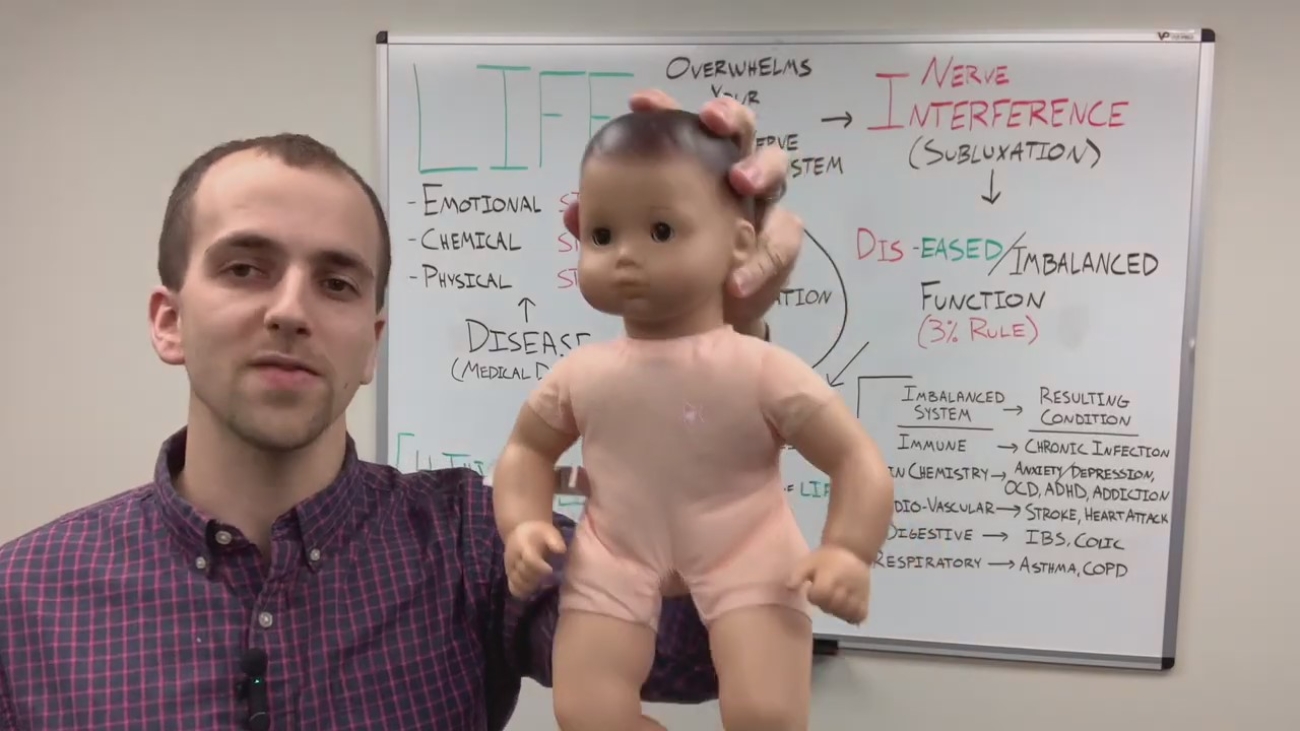
Every parent knows we don’t hold infants by their head once they’re out of the womb. What a lot of parents don’t realize, is that very first contact by a human hand, forceps or suction device with that same type of force, that distraction force on this little one’s neck and it could have been you too. You could still be carrying this type of a stress and this type of trauma with you throughout your life if it hasn’t been addressed. In this episode I’m going to tie in how that type of physical stress onto a newborn during the birth process can lead to what we call subluxation and nerve interference which can take away from that little one’s quality of life and possibly be causing some of these symptoms and conditions that nobody else seems to have an answer for.

The SUBLUXATION Cycle

Before we get started, though, if you haven’t seen the original video of the subluxation cycle, please make sure you to check that out. That’s going to give a more in-depth explanation of what this is.

Birth Trauma

To start off with, this is a physical stress. It’s not so much an emotional or chemical stress that we’re talking about today, it’s a physical stress. And when that little one has that twisting or distraction force on their upper cervical neck, that can disrupt, can inflame, can do a lot of damage to the spinal cord. Now, the spinal cord is what’s responsible for sending messages from the brain to the rest of the body and then receiving information from the rest of the body back to the brain. So bad information, bad decision making, bad output, we get a very disrupted state of health and that’s what we’re talking about here.

Nerve Interference

When the nervous system gets overwhelmed to the point where nerve interference is created, what results in that little one is a disease or imbalanced function state. Now, these little ones, they can’t talk to us; they can’t tell us what’s going on, so often we see that manifest as irritable bowel syndrome, colic or possibly chronic infections leading all the way to the ear infections that are so prevalent in some kids but not prevalent in others. In general, kids have more horizontal Eustachian tubes and more likelihood of an infection because of that. There’s got to be a better explanation for why that is…more on that later. Essentially, what happens here with that physical stress, if it was enough to overwhelm your little one’s nervous system, they are going to be carrying nerve interference throughout their whole life.

How Does That Manifest?

It can vary and it can basically be any sort of dysfunction. If that little one is set off with a decreased stress response, it’s going to predispose them to have a poor reaction to the other things coming at them later in life. There’s going to be more physical stress, more chemical stress, and more emotional stress the longer as life continues. For example, some kids have allergies to peanuts, soy, gluten, dairy, things like that, and some kids don’t. What we find in our practice is a lot of times the ones with the most severe allergies have a common thread of a significant physical trauma during the birth process. So that little one was set off with nerve interference to their immune system and possibly digestive system. That makes it more likely for them to have a poor response to the peanuts, the gluten, the soy that some kids don’t have. Another example, sometimes the vaccine reactions or other toxins, pesticides, things like that, medication reactions, all of that can come from, and often does start from a significant amount of birth trauma.

What Needs To Be Done?

We need to check our little ones and make sure that there is not that disconnect right out of the gate. Not to mention how that can manifest with the scoliosis and the misalignment in their spine as they start to grow, as they start to pick their head up. There’s a lot going on here and we all we want as parents is the best for our little ones.

Chiropractor New Hope

If this interests you and you’d like to learn more about it, please reach out, get plugged in, and follow us on social media.

We don’t know if we carry this with us! That interference in your brain isn’t able to overcome and heal from that trauma you carry with you and have possibly carried with you your whole life. This can lead to a decreased stress response to this day, decreased health and ultimately quality of life. We want the best for you. We want the best for our kids. Please reach out. And if we can do anything to help you, we’d love to serve you.


https://principledlivingmn.com/contact-us/

Virus

Beat Upper Respiratory Infections at the Source!

Nasal Spray/Mist Protocol

Nothing will replace a properly functioning nerve/immune system so make sure you are regularly checked for nerve interference!

Then for additional support at the source see this protocol:

Although there is documentation for the addition to Nasal Spray/Nasal Irrigation solutions of Colloidal Silver and Hydrogen Peroxide (H2O2), per Dr. Alex Vasquez, “As far as topical/nasal rinse antimicrobials are concerned, I think the povidone iodine is clearly the best.” Povidone Iodine nasal irrigation and gargling reduce bacterial/viral load. The use of a diluted Povidone-Iodine solution in your mouth and nose is a simple way to kill the bacteria/virus where it lives. This can also be used as a preventative measure by people who have been exposed to Covid-19 but are not yet sick. “Nasal irrigation might relieve symptoms and reduce transmission of SARS-CoV-2 in patients with COVID-19”… “Nasal rinses physically disrupt the viscous surface layer, removing mucus and particulate matter, and increase hydration of the deeper aqueous layer, thereby improving underlying ciliary beat frequency and reducing local inflammatory mediators. These effects can be particularly helpful during a viral respiratory infection where mucociliary dysfunction and mucostasis can result from the inflammatory response.

To make the 1% Povidone-Iodine nasal or gargle solution, mix 5 ml (1 tsp) of 10% Povidone-iodine with 50 ml of distilled/filtered water. This will make a 1% Povidone-Iodine solution that is diluted enough to use in the nose/mouth. DO NOT USE 10% POVIDONE-IODINE.

If you are iodine allergic or intolerant, you can substitute 1% hydrogen peroxide. To make a 1% hydrogen peroxide solution, mix 10 ml of 3% hydrogen peroxide with 20 ml of distilled/filtered water. This will make a 1% hydrogen peroxide solution that is diluted enough to use to use in the nose/mouth.

Most Effective Application: Using a plastic nasal “squeeze-bottle” or poured in via a Nettie Pot; Squirt 1 tsp of the 1% solution into one nostril and sniff this to the back of your throat. Spit it out immediately. Repeat with the other nostril. Do this twice in each nostril. After performing the nasal rinse, gargle at least 2 tbsp of the diluted solution for at least 30 seconds. DO NOT SWALLOW.

Most Convenient Application: Use either 1% solution through a “Nasal Spray” bottle or purchase the Povidone Iodine Nasal Spray (2-spray in each nostril). Sniff to back of throat and then blow nose.

According to Dr. Vasquez, the nasal spray application is effective, but not as effective as the “Nasal Rinse and Gargle” described above.

Repeat this protocol 1-4 times a day for prevention, or up to 6 times a day with acute infection.

Product Links:

Nasal Rinse Kit

Amber Glass 1 oz Nasal Sprayer

Povidone Iodine 10% Unflavored Solution

Food Grade Hydrogen Peroxide, Natural Cleaner, 3%


References:


3 Reasons Why Motor Development -Banner

3 Reasons Why Children Motor Development is Crucial

3️⃣ Reasons Head Control, Crawling and Walking (Motor Development) Lead to Calmer Emotions and Easier Behavioral Regulation

Getting Started: When kiddos struggle with emotions 😡, behavior, and meltdowns – we wonder where it’s coming from and what can be causing it. While the answer to this can be long, and literally anything can put a 2 or 3 year old over the edge, this happens more often and long term it can be associated with developmental milestones, especially motor milestones.

The brain 🧠 has an order of doing things and if the sequence is disrupted or behind, the brain can feel less comfortable and it can come out as behavior. 😭

So if you are a parent of a baby 👶🏻 in these developmental phases or if you have a kiddo struggling and don’t know where it is coming from these 3 reasons may shed some light on why and most importantly how they can get help. 👇🏼

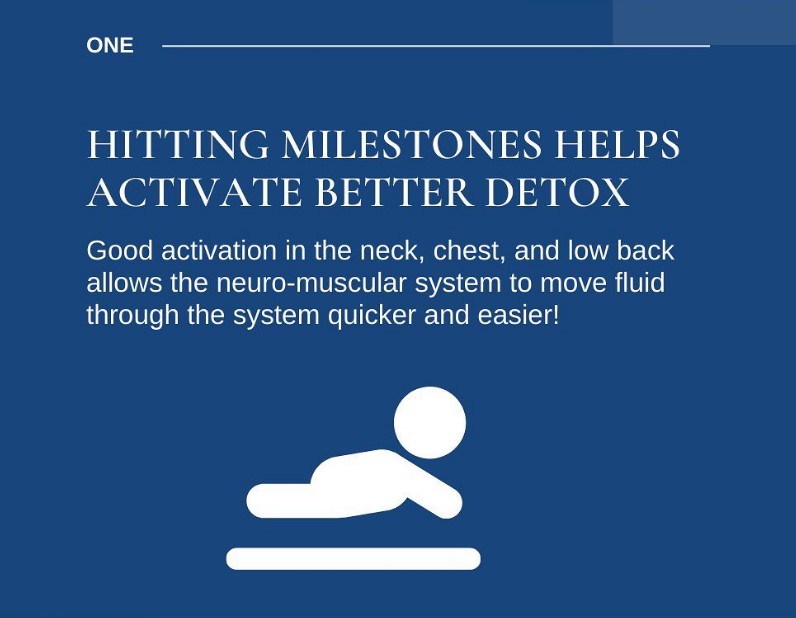
1️⃣ Hitting milestones helps activate better detox with respiration, digestion and immune function. Good activation in the neck, chest and low back allows the neuro-muscular system to move fluid through the system quicker and easier!

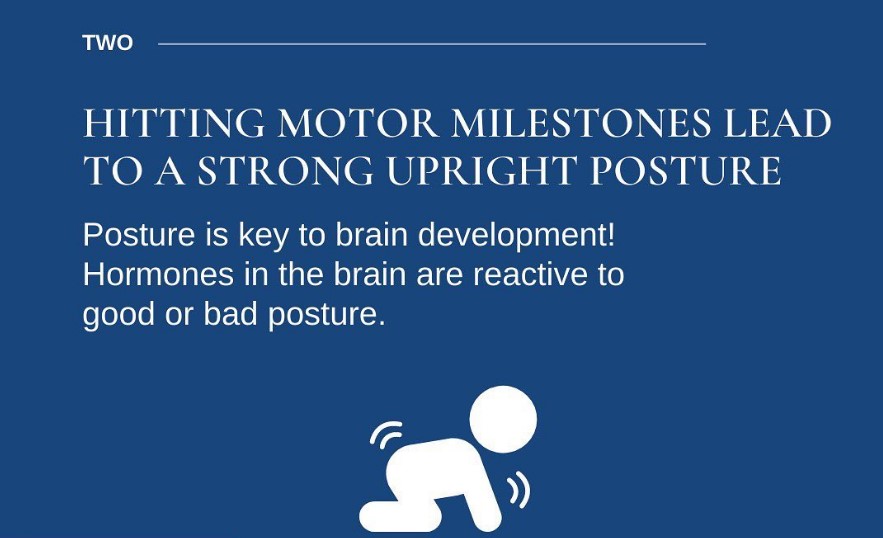
2️⃣ Hitting motor milestones lead to a strong upright posture and posture is key to brain development! Hormones in the brain are reactive to good or bad posture. Sitting up straight activates hormones that fuel feelings of confidence, calm 🧘🏻‍♀️ and in control while a flexed/folded posture with lack of support in the core can fuel a stress response in kids.

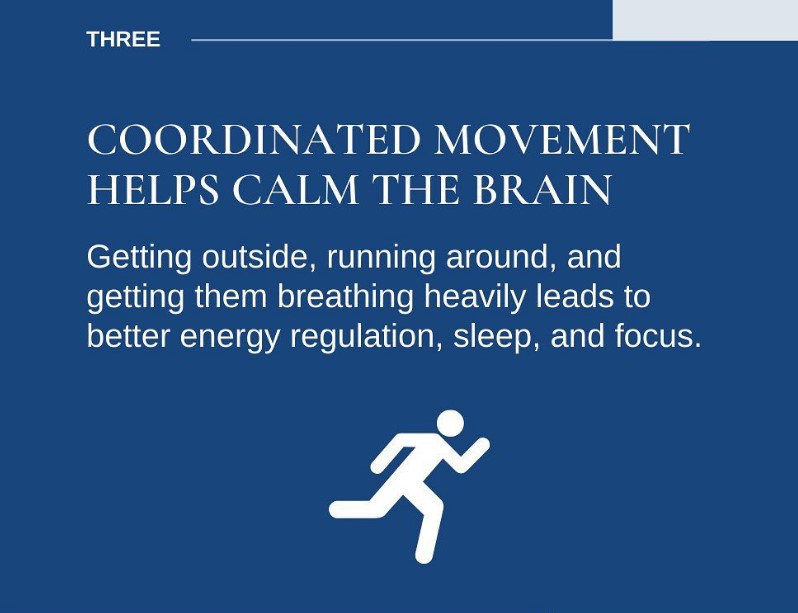
3️⃣ Coordinated movement helps calm the brain. You can see this with your own kids, getting outside 🌳, running around, and getting them breathing heavily leads to better energy regulation, sleep and focus.

3-Reasons-Why-Motor-Development-2
3-Reasons-Why-Motor-Development-3
3-Reasons-Why-Motor-Development-4


VT007

The Many Benefits of Vibration Plate Therapy (Discount Code Included)

Many of you have shown interest in our vibration plate recently and so here is some great information and resources for you to consider. I have also worked out a 5% discount and free shipping with Vibration Therapeutic for anyone who uses this discount link: https://shop.vibrationtherapeutic.com/discount/B2MNS?ref=vt5

17 Health Benefits of Vibration Therapy

Vibration Plates Comparison

Click here for the VT007 model that I recommend. It’s a new and improved version of what we have in the office.


Vit D Test

What’s YOUR number? Why you need to get your Vitamin D3 checked and how to do it

We have known for a long time the vital role that Vitamin D plays in the immune system. So as we are faced with a virus that has been shown to be most dangerous to those with comorbidities, don’t let vitamin D deficiency be a comorbidity of yours (it’s estimated that 85-95% of Americans are DEFICIENT in Vitamin D)! How many people have been hospitalized or died from COVID due to Vitamin D deficiency?

https://vimeo.com/777057811

We are now offering in office Vitamin D tests that only take a spot of blood! Contact us today

Why Vitamin D is Important for Your Health?

Vitamin D, like all nutrients, is essential for life. Our bodies need it from our environment (sunlight and food in this case) to function. It also plays an important role in building and maintaining strong bones. But that’s not all. Every cell in our body has receptors for vitamin D, meaning it can affect virtually everything that happens inside our cells. Research shows that people with higher blood levels of vitamin D live better for longer, with immune and cardiovascular systems that function better.

Check out these resources for more information on the role Vitamin D plays on YOUR immune system and likelihood of conquering COVID!

  • The Irish Covit-D Consortium is also calling for greater use of vitamin D against COVID-19, citing evidence showing it can lower the risk of death from COVID-19 in the elderly by as much as 700%
  • Research shows giving critically ill COVID-19 patients high doses of vitamin D significantly reduced the number of days they had to spend in the ICU. They were also less likely to need ventilation
  • Another recent study found high-dose vitamin D supplementation sped up viral clearance; 62.5% of participants in the intervention group became SARS-CoV-2 RNA negative within 21 days, compared to just 20.8% of controls who did not receive vitamin D

A growing body of evidence shows that vitamin D plays a crucial role in disease prevention and maintaining optimal health. There are about 30,000 genes in your body, and vitamin D affects nearly 3,000 of them, as well as vitamin D receptors located throughout your body.

According to one large-scale study, optimal vitamin D levels can slash your risk of cancer by as much as 60 percent. Keeping your levels optimized can help prevent at least 16 different types of cancer, including pancreatic, lung, ovarian, prostate, and skin cancers.