
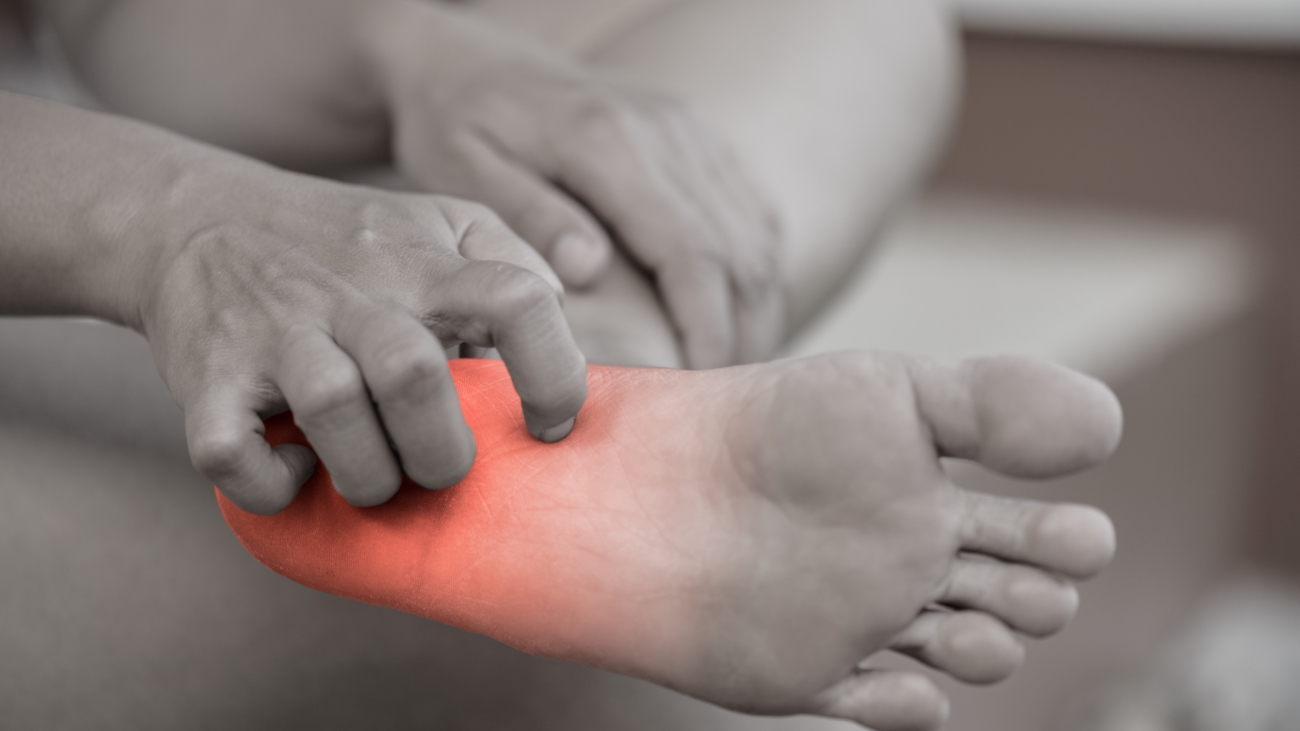
Heal Faster, Move Better: Shock Wave Therapy for Plantar Fasciitis Near Me
For millions of people, the first few steps of the morning are the most difficult of the day. Stepping out of bed results in a sharp, stabbing sensation in the heel that can make simple movements feel agonizing. This is the reality of living with Plantar Fasciitis, a condition that often stubbornly resists standard home remedies. While rest, ice, and over-the-counter anti-inflammatories are commonly recommended, they frequently fail to address the root physiological issues causing the pain. When these traditional methods fall short, chronic inflammation sets in, significantly impacting mobility and quality of life.
Fortunately, advancements in medical technology have introduced non-invasive solutions that go beyond symptom management. Shock Wave Therapy has emerged as a scientifically backed treatment designed to accelerate the body’s natural healing mechanisms. By targeting the injured tissue directly, this therapy offers a pathway to recovery for those who have struggled to find relief through conventional means.
Understanding Plantar Fasciitis: More Than Just Heel Pain
Anatomy of the plantar fascia
The plantar fascia is a thick, fibrous band of tissue that runs across the bottom of the foot, connecting the heel bone to the toes. It acts as a shock absorber, supporting the arch of the foot and handling the immense pressure exerted during walking, running, and standing.
Micro-tears and inflammation
Contrary to popular belief, the pain associated with this condition is not always due to general inflammation, but rather degeneration. Repetitive stress creates small micro-tears within the tissue, leading to collagen breakdown and creating a cycle of injury and inadequate repair.
Common risk factors
Several factors contribute to the development of Plantar Fasciitis, ranging from biomechanics to lifestyle choices. High-impact activities like running or dancing, jobs that require long hours of standing on hard surfaces, and obesity all place significant stress on the foot.

How Shock Wave Therapy Targets Plantar Fasciitis
The mechanism of action
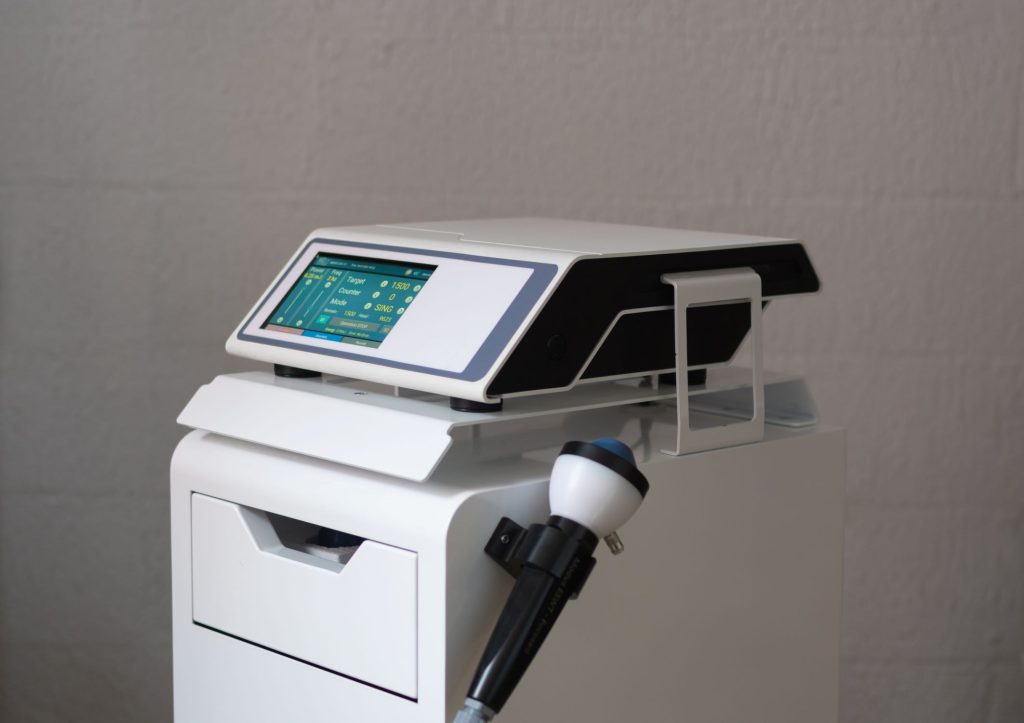
Shock Wave Therapy, also known as Extracorporeal Shock Wave Therapy (ESWT), utilizes acoustic waves to target injured areas. A handheld device delivers high-energy sound waves through the skin directly into the affected plantar fascia. These pressure waves penetrate the tissue, creating a controlled micro-trauma that alerts the body to the injury and demands a healing response.
Breaking up scar tissue
One of the primary benefits of this therapy is its ability to physically break down scar tissue and calcifications. Chronic Plantar Fasciitis often results in the formation of fibrous scar tissue that is less flexible than healthy ligament tissue. The acoustic pulses help fragment these calcified deposits and loosen the fibrous adhesions, restoring flexibility and function to the foot.
Stimulating blood flow
Beyond breaking down tissue, the acoustic waves stimulate a significant increase in metabolic activity. The treatment enhances blood circulation to the area, which is critical because ligaments typically have a poor blood supply compared to muscles. This influx of oxygen and nutrients jumpstarts the repair process, allowing the body to regenerate healthy tissue faster than it could on its own.
The Science of Healing: Why Acoustic Waves Work
Neovascularization
A key biological effect of Shock Wave Therapy srevice is neovascularization, or the formation of new blood vessels. The acoustic waves stimulate the expression of growth factors (such as eNOS and VEGF) which encourage the body to build new capillary networks. These new vessels improve blood supply and tissue oxygenation, providing a long-term environment conducive to healing and tissue sustainability.
Pain reduction
Patients often experience pain relief due to a mechanism known as hyperstimulation analgesia. The intense acoustic pulses overstimulate the nerve endings in the affected area, which can inhibit the transmission of pain signals to the brain. This process essentially resets the pain threshold and decreases the sensitivity of pain receptors (nociceptors), providing immediate and lasting relief.
The biological response
On a cellular level, the treatment triggers an anti-inflammatory response and activates stem cells. The mechanical stress of the shock waves causes the release of chemical mediators that dampen inflammation and signal the body to recruit stem cells for tissue regeneration.
What to Expect During Your Shock Wave Treatment Session
Assessment and localization
Before the procedure begins, a thorough assessment is conducted to identify the specific area of maximum tenderness. The practitioner will palpate the heel and arch to pinpoint the epicenter of the pain, ensuring the shock waves are directed exactly where they are needed most.
The patient experience
During the session, ultrasound gel is applied to the foot to conduct the waves, and the applicator is moved over the injured area. Patients typically report feeling a rapid tapping or pulsing sensation. While there may be some discomfort during the treatment—often described as a “good pain” similar to a deep tissue massage on a sore muscle—the intensity can be adjusted to remain within a tolerable range, and immediate relief is often felt once the session concludes.
Frequency of care
Achieving optimal results typically requires a cumulative approach rather than a single visit. A standard course of treatment involves a series of sessions, usually spaced a week apart, to allow the tissue time to recover and rebuild between treatments. Adhering to the recommended schedule is vital, as each session builds upon the biological progress of the last, compounding the healing effects.

Comparing Shock Wave Therapy to Other Treatment Options
Shock Wave vs. Cortisone Injections
Cortisone injections are a common intervention for heel pain, providing powerful anti-inflammatory effects. However, while they offer temporary relief, repeated steroid injections can weaken the plantar fascia and even increase the risk of rupture. Shock Wave Therapy offers a non-invasive alternative that stimulates natural healing without introducing pharmacological substances or compromising the structural integrity of the ligament.
Shock Wave vs. Surgery
Surgery is generally considered a last resort due to the risks associated with anesthesia, infection, and potential nerve damage. Furthermore, surgical intervention requires significant downtime and a lengthy rehabilitation period. Acoustic wave therapy allows patients to remain active and mobile during the course of treatment, avoiding the complications and recovery time associated with invasive procedures.
Complementary therapies
This treatment is rarely used in isolation; it functions best as part of a broader recovery strategy. It pairs exceptionally well with conservative therapies such as stretching protocols, custom orthotics, and adjustments to correct body alignment. By combining immediate tissue repair with mechanical correction, patients can address both the symptoms and the underlying causes of their condition.
The Integrity Chiropractic & Wellness Approach to Foot Care
A comprehensive evaluation process
At Integrity Chiropractic & Wellness, the journey to recovery begins with identifying the root cause of the dysfunction. It is not enough to simply treat the symptom; the alignment of the entire kinetic chain—from the foot to the knee, hip, and spine—is evaluated.
Integrating Shock Wave Therapy
Shock Wave Therapy is not applied as a generic fix but is integrated into a personalized, holistic recovery plan. The practitioners at Integrity Chiropractic & Wellness combine this advanced modality with chiropractic adjustments and soft tissue work to ensure the body heals correctly.
Educating patients
Long-term relief requires patient empowerment through education. Guidance is provided on proper mechanics and lifestyle adjustments to prevent recurrence. By teaching patients how to maintain proper body alignment and care for their feet, the clinic ensures that the benefits of the therapy extend far beyond the final treatment session.
Who is the Ideal Candidate for Shock Wave Therapy?
Individuals with chronic pain
The ideal candidates are often those who have been suffering from plantar fasciitis for months or even years without success. When conservative care such as rest, icing, and stretching has failed to resolve the issue, Shock Wave Therapy treatment provides a potent next step. It is particularly effective for chronic cases where the body’s natural healing process has stalled and needs a “reboot.”
Athletes and active individuals
For runners, hikers, and active individuals, downtime is detrimental to their lifestyle and mental health. These individuals benefit greatly from a therapy that does not require immobilization. The ability to continue with modified activity while undergoing treatment makes this an attractive option for those looking to return to their sport as quickly and safely as possible.
Contraindications and safety considerations
While safe for most, there are specific instances where this therapy may not be appropriate. It is generally not recommended for patients with blood clotting disorders, those taking blood-thinning medications, or individuals with active infections or tumors in the treatment area.
Lifestyle Changes to Support Your Recovery
Importance of proper footwear
Footwear plays a critical role in supporting the arch and reducing strain on the plantar fascia during the healing phase. Shoes with adequate cushioning and arch support are essential, while walking barefoot on hard surfaces should be avoided.
Specific stretching exercises
Maintaining flexibility in the calf muscles and the Achilles tendon is crucial for relieving tension on the plantar fascia. Specific stretching exercises, performed consistently, help elongate these tissues and reduce the pull on the heel bone. A dedicated routine of gentle stretching, particularly before getting out of bed, can significantly reduce morning pain and stiffness.
Managing load and activity
While total bed rest is rarely necessary, managing the load placed on the foot is vital to prevent re-injury. This involves temporarily modifying high-impact activities and substituting them with low-impact alternatives like swimming or cycling. Listening to the body’s signals and avoiding activities that trigger pain allows the regenerating tissues to strengthen without being overwhelmed.
Moving Forward Pain-Free
ShockWave Therapy represents a significant advancement in the non-surgical treatment of Plantar Fasciitis. By harnessing the power of acoustic waves to stimulate neovascularization, break down scar tissue, and reduce pain, it offers a robust solution for a condition that is notoriously difficult to treat. It bridges the gap between conservative home remedies and invasive surgical procedures, providing a safe and effective option for restoring mobility.
Addressing heel pain early prevents the development of chronic dysfunction and compensatory injuries in the knees, hips, and lower back. For those ready to take the first step toward a pain-free life, professional guidance is available. A consultation at Integrity Chiropractic & Wellness can determine if this therapy is the right path. Do not let heel pain dictate the day’s activities any longer; schedule an appointment to discover how modern technology can aid in healing faster and moving better.
Principled Living Tonal Chiropractic
https://maps.app.goo.gl/v2KwTmYfNhyBaVmG7
9405 36th Ave N, New Hope, MN 55427
(763) 296-8375
https://principledlivingmn.com

